


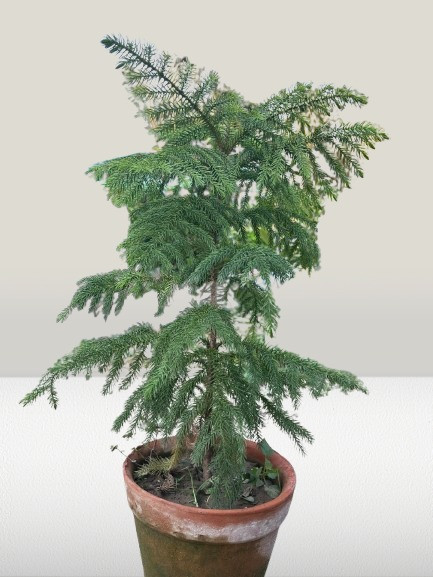
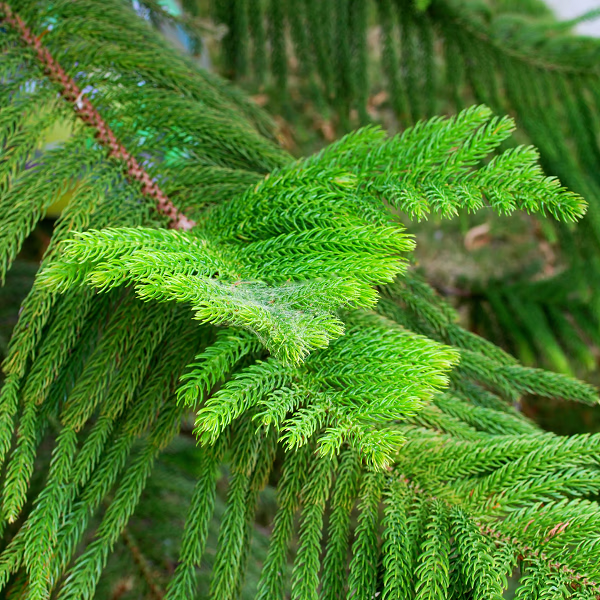
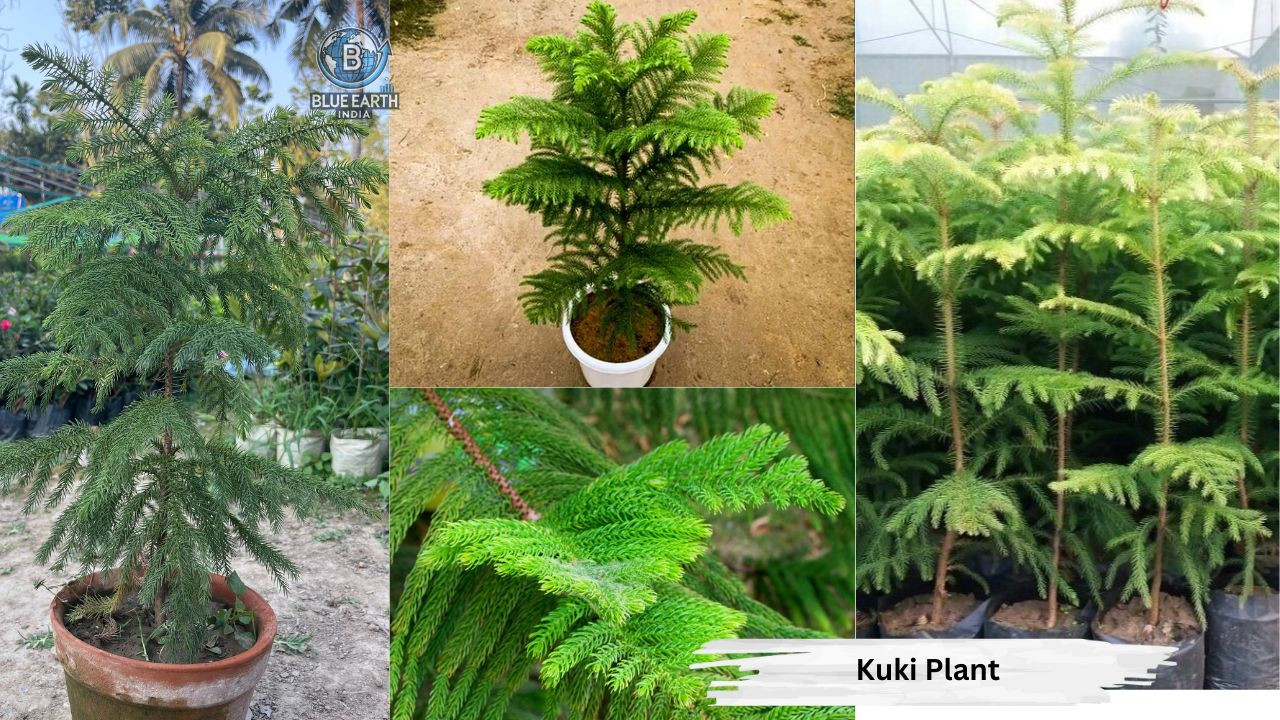
Kuki Plant
(0
reviews)
Estimate Shipping Time:
4 Days
Inhouse product
Price
Rs595.65
Rs1,045.00
/1 piece
-43%
Share
Top Selling Products
-
 Rs249.00
Rs498.00 -
Rs299.00
Rs598.00 -
Rs249.00
Rs498.00 -
Rs149.00
Rs596.00 -
Rs598.00
-
Rs299.00
Rs598.00
Reviews & Ratings
0.00
out of 5.0
(0
reviews)
There have been no reviews for this product yet.
The Kuki plant, also known as Pachyrhizus erosus or commonly referred to as Jicama, is a tropical root vegetable native to Mexico and parts of Central America. It is a vine-like plant that produces a tuberous root which is edible and known for its crisp, sweet, and mild flavor. The plant is part of the legume family (Fabaceae) and is a popular food in many tropical regions.
Here’s a closer look at the Kuki plant:
Key Features of the Kuki Plant (Jicama):
-
Appearance & Growth Habit:
- The Kuki plant is a twining vine that can grow up to 10 feet or more in length. It requires a support structure like a trellis or fence to grow vertically.
- The roots of the plant are the edible part, and they grow underground. The plant’s tubers are typically round or oval in shape, with a smooth, light-brown or beige skin.
- The leaves are large, green, and heart-shaped, and the plant may produce small, purple or white flowers during its growing season.
-
Edible Root:
- The edible part of the Kuki plant is the root tuber, which is often referred to as Jicama. The root has a crisp, starchy texture and a mild, sweet flavor.
- The texture is similar to that of an apple or water chestnut, making it popular in salads, slaws, and salsa.
- Jicama is typically eaten raw, but it can also be cooked, and is often included in stir-fries, soups, and even deep-fried dishes.
- The root is high in fiber and contains vitamin C, making it a nutritious and refreshing addition to various dishes.
-
Climate & Growing Conditions:
- The Kuki plant thrives in warm, tropical, and subtropical climates. It is particularly suited to areas with long growing seasons and hot temperatures.
- It prefers well-drained, sandy loam or loamy soil and grows best in full sun.
- The plant is relatively drought-tolerant once established, but it still needs consistent watering to produce high-quality tubers. It is sensitive to frost and should be planted in areas with no frost.
-
Plant Care:
- The Kuki plant is relatively easy to grow in regions with the right climate. It benefits from being planted in fertile soil with good drainage to avoid waterlogging.
- Regular watering is important, especially during the growing season, but the plant is fairly low-maintenance overall.
- The plant should be pruned and trained on a trellis or support structure, as this helps it grow vertically and produces better-quality tubers.
-
Harvesting:
- The tubers of the Kuki plant can be harvested when the plant has matured, typically after about 8-10 months of growth.
- The roots should be harvested before the plant experiences frost or excessive moisture. Overripe tubers may become fibrous and dry.
-
Nutritional Benefits:
- Kuki or Jicama is low in calories but rich in fiber, particularly inulin, a type of prebiotic fiber that helps promote digestive health.
- It is a good source of vitamin C, which helps with immunity and skin health.
- The root is high in water content, making it an excellent hydrating food, particularly for hot climates.
-
Culinary Uses:
- In Mexican cuisine, Jicama is often eaten raw, sliced thinly and served with lime, chili powder, and salt as a refreshing snack.
- It can be used in fresh salsas, salads, and vegetable sticks.
- Cooked Jicama can be added to stir-fries, soups, or roasted dishes as a low-calorie starch replacement.
- It’s also sometimes used in smoothies and juices due to its hydrating properties.
-
Health Benefits:
- The Kuki plant is low in calories and has a high water content, which makes it beneficial for those looking to stay hydrated or manage caloric intake.
- It is a good source of fiber, which supports digestive health, regulates blood sugar levels, and promotes satiety.
- The inulin content in Jicama also acts as a prebiotic, supporting the growth of good bacteria in the gut.
- The antioxidants and vitamin C in the root help boost immunity and fight free radicals in the body.
-
Pests and Problems:
- The Kuki plant is relatively resistant to pests and diseases. However, it can occasionally suffer from issues like root rot, especially if overwatered or planted in poorly-drained soil.
- Aphids, mealybugs, and whiteflies can occasionally infest the plant, but these can usually be controlled with organic insecticides or natural predators like ladybugs.
Frequently Bought Products
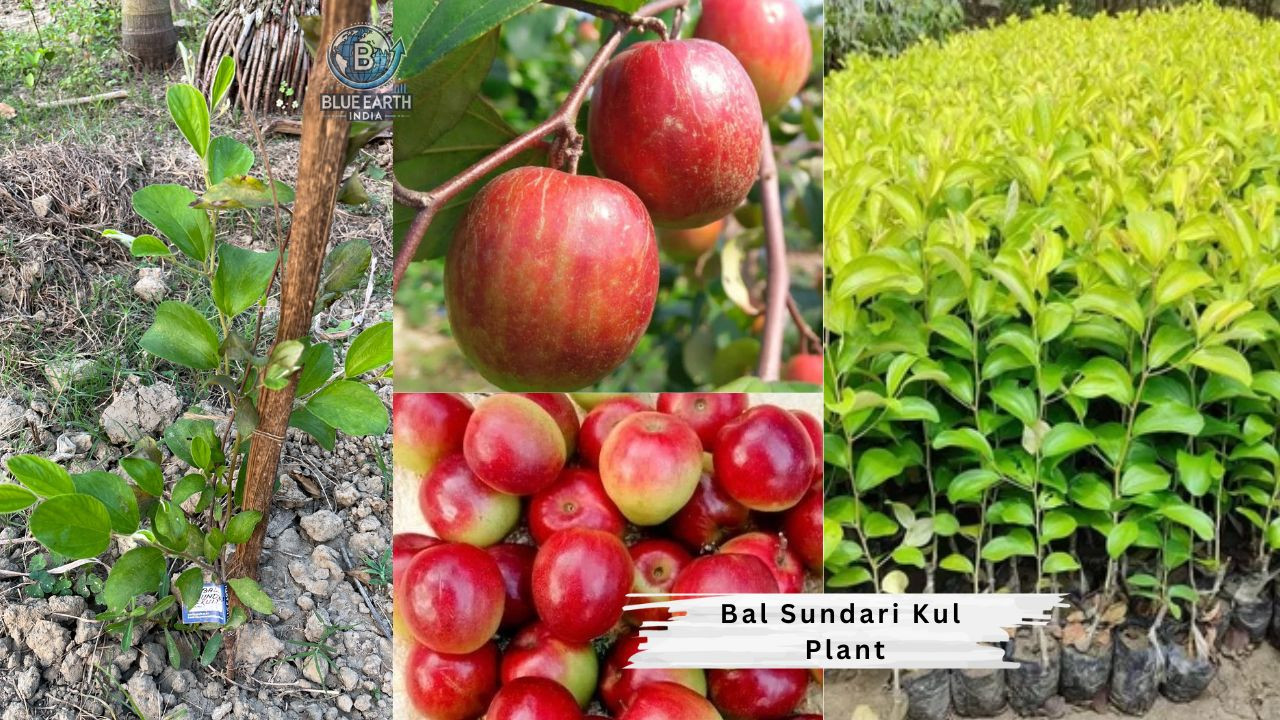
Ball Sundari Kul Plant
Rs288.00
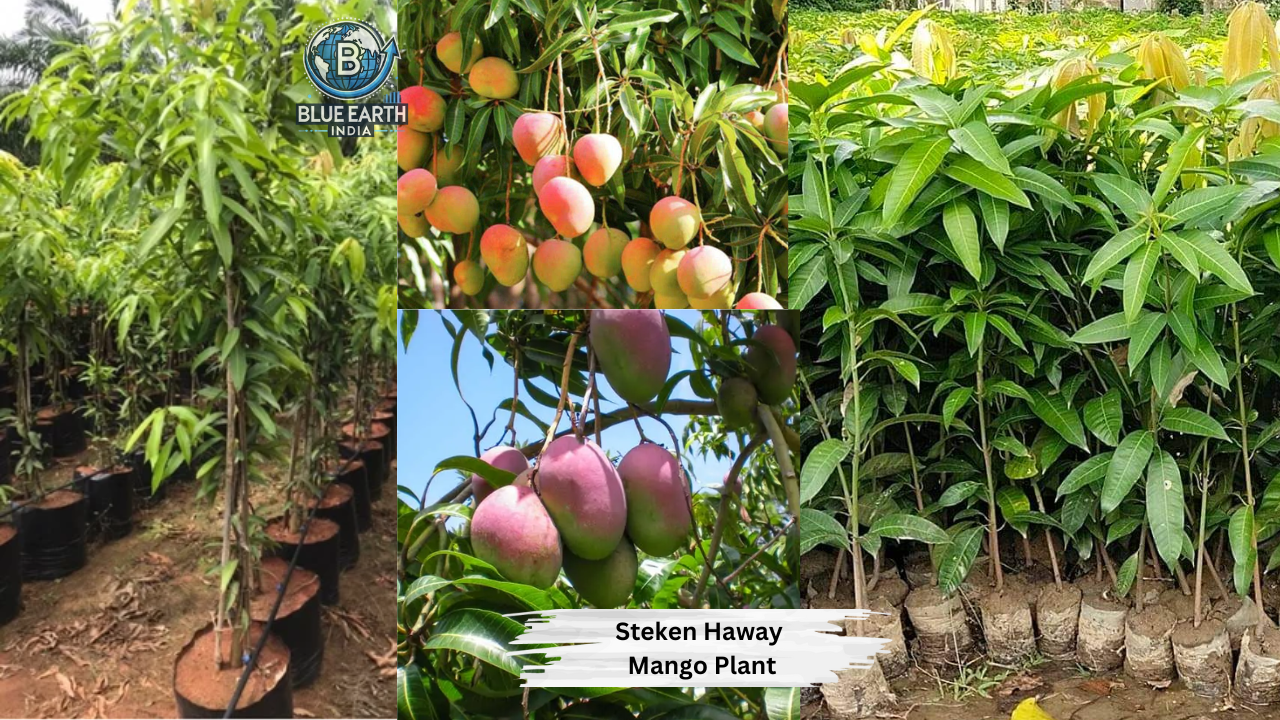
Steken Haway Mango Plant
Rs299.00
Rs598.00
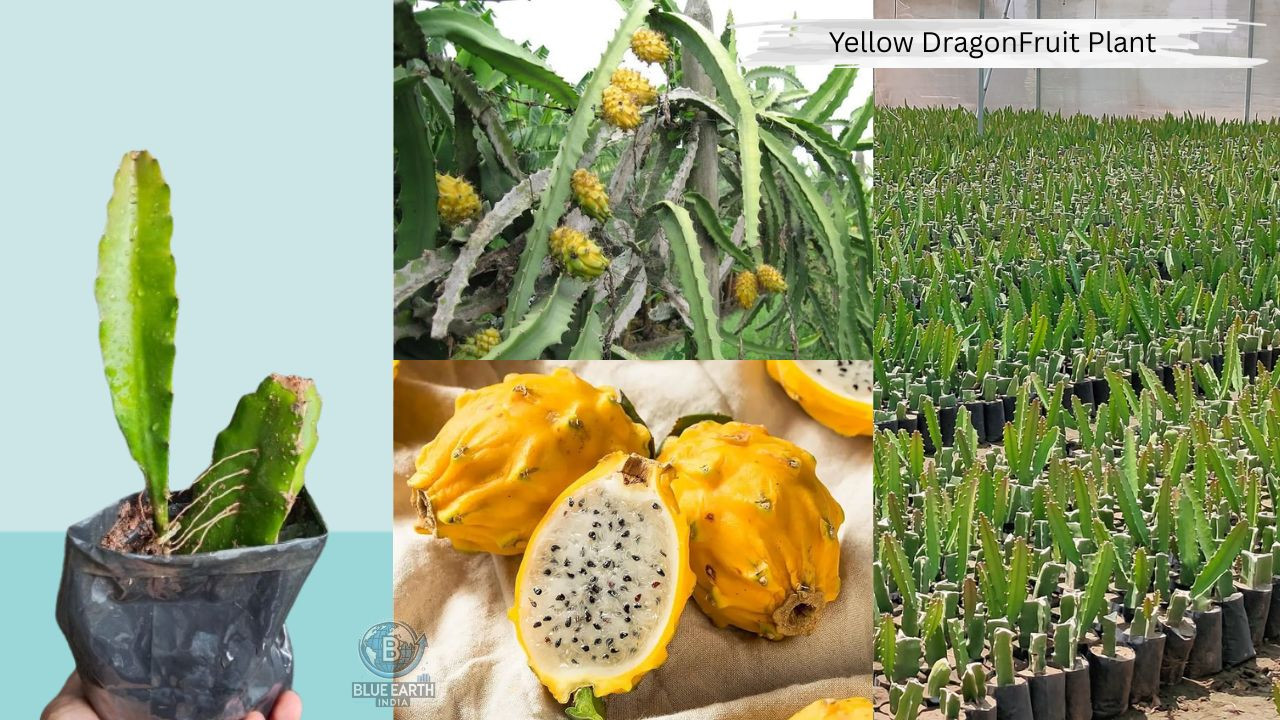
Yellow Dragon Fruit Plant
Rs398.00
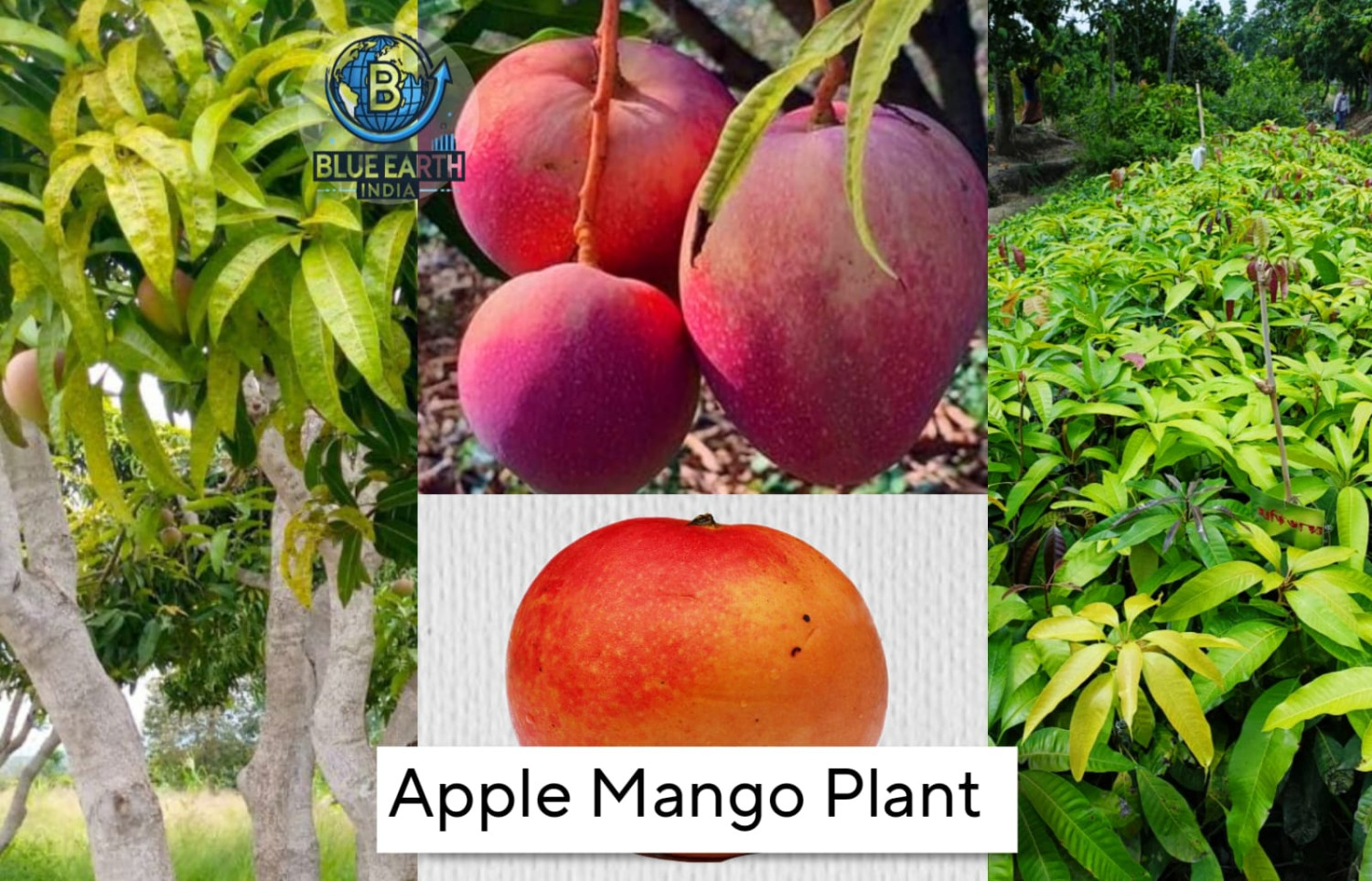
Apple Mango Plant
Rs249.00
Rs498.00
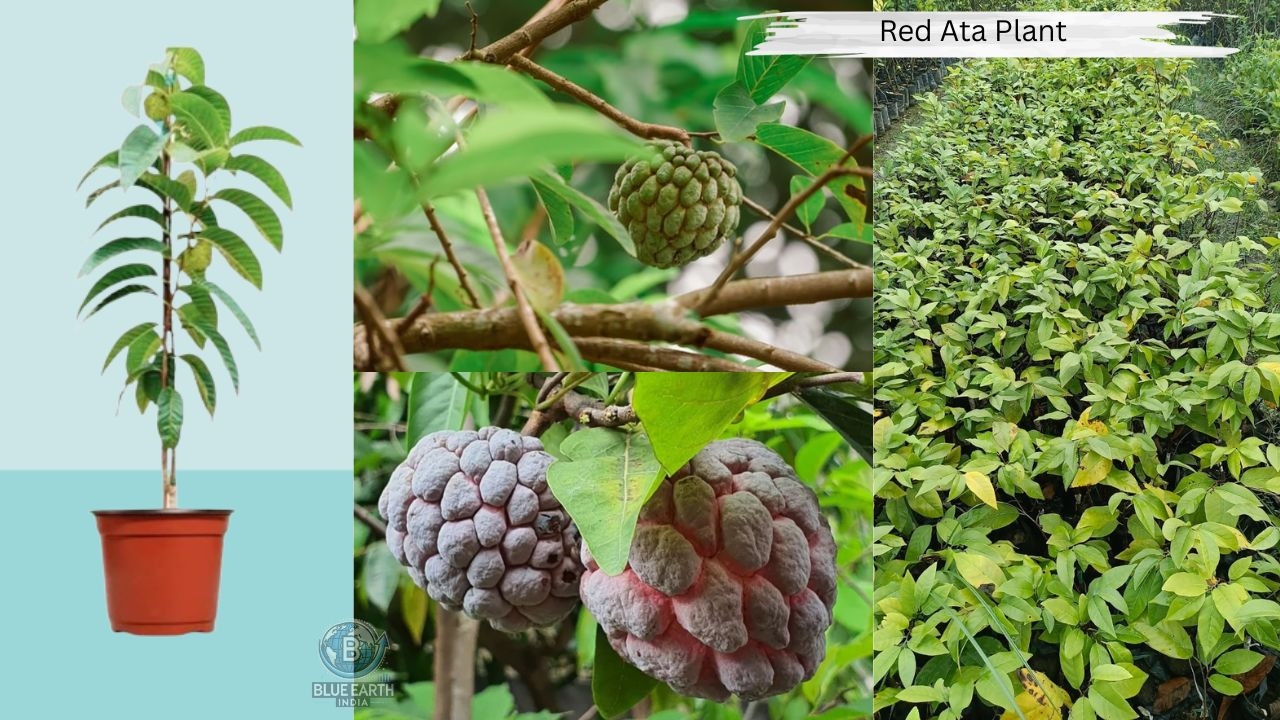
Red Custard (Ata ) Plant
Rs244.80
Rs765.00
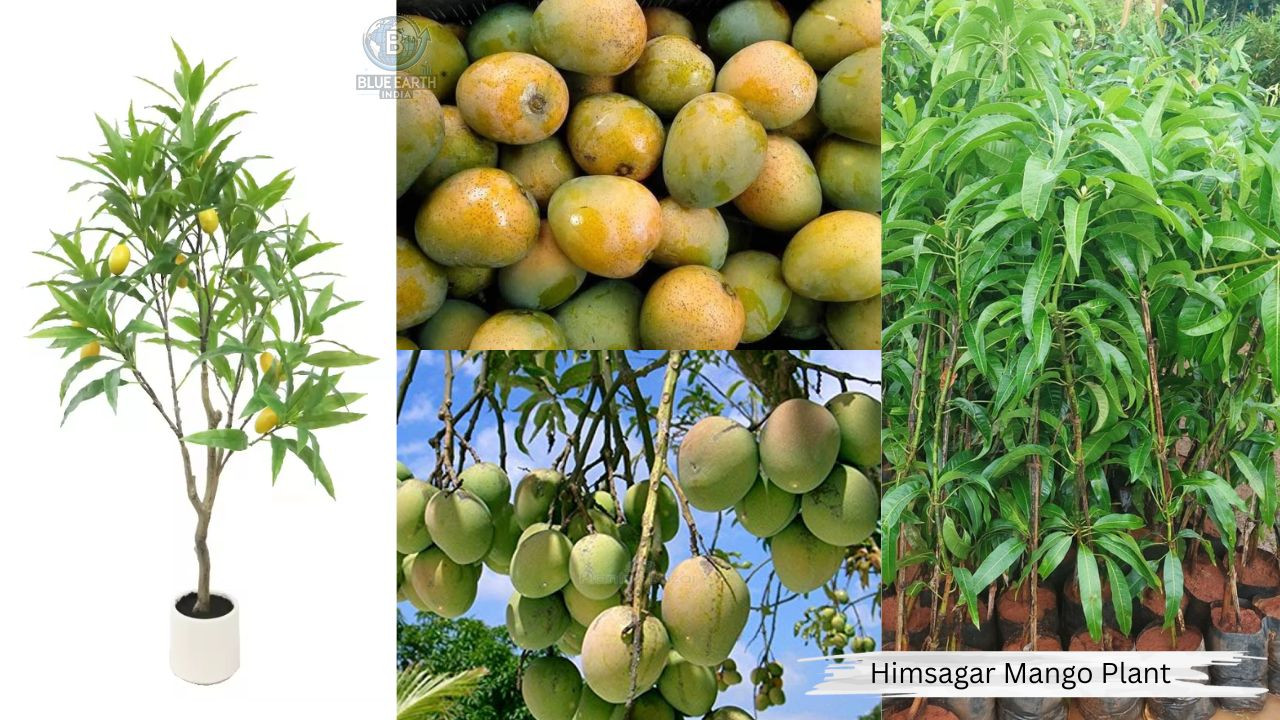
Himsagar Mango Plant
Rs249.00
Rs830.00
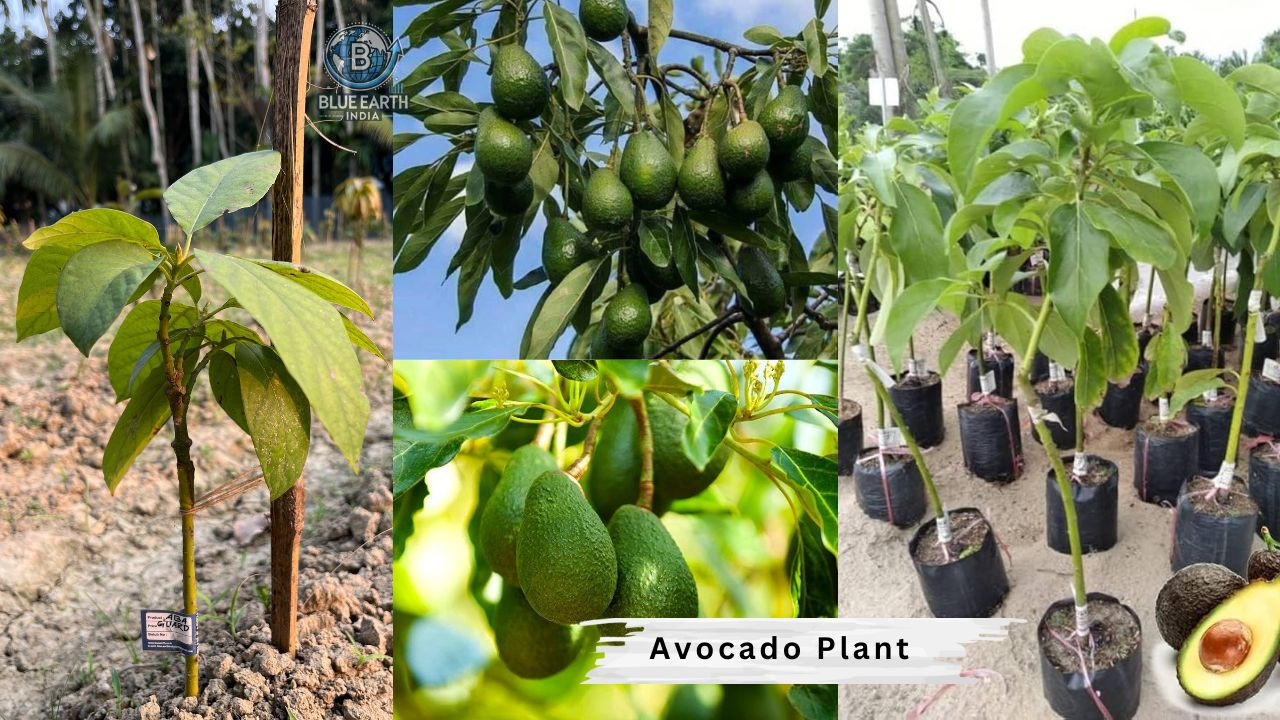
Avocado Plant
Rs598.00
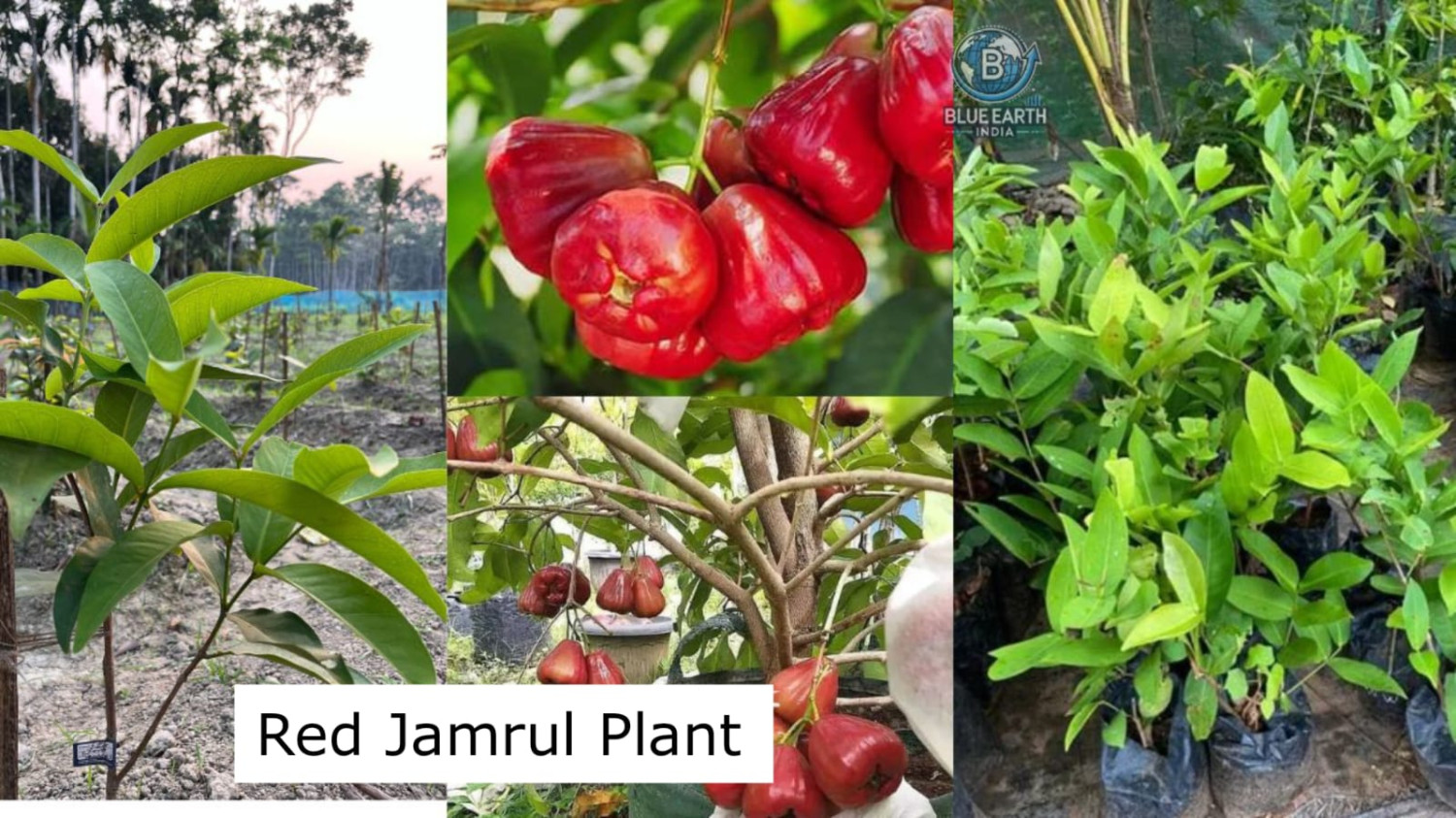
Red Jamrul Plant
Rs199.00
Rs398.00
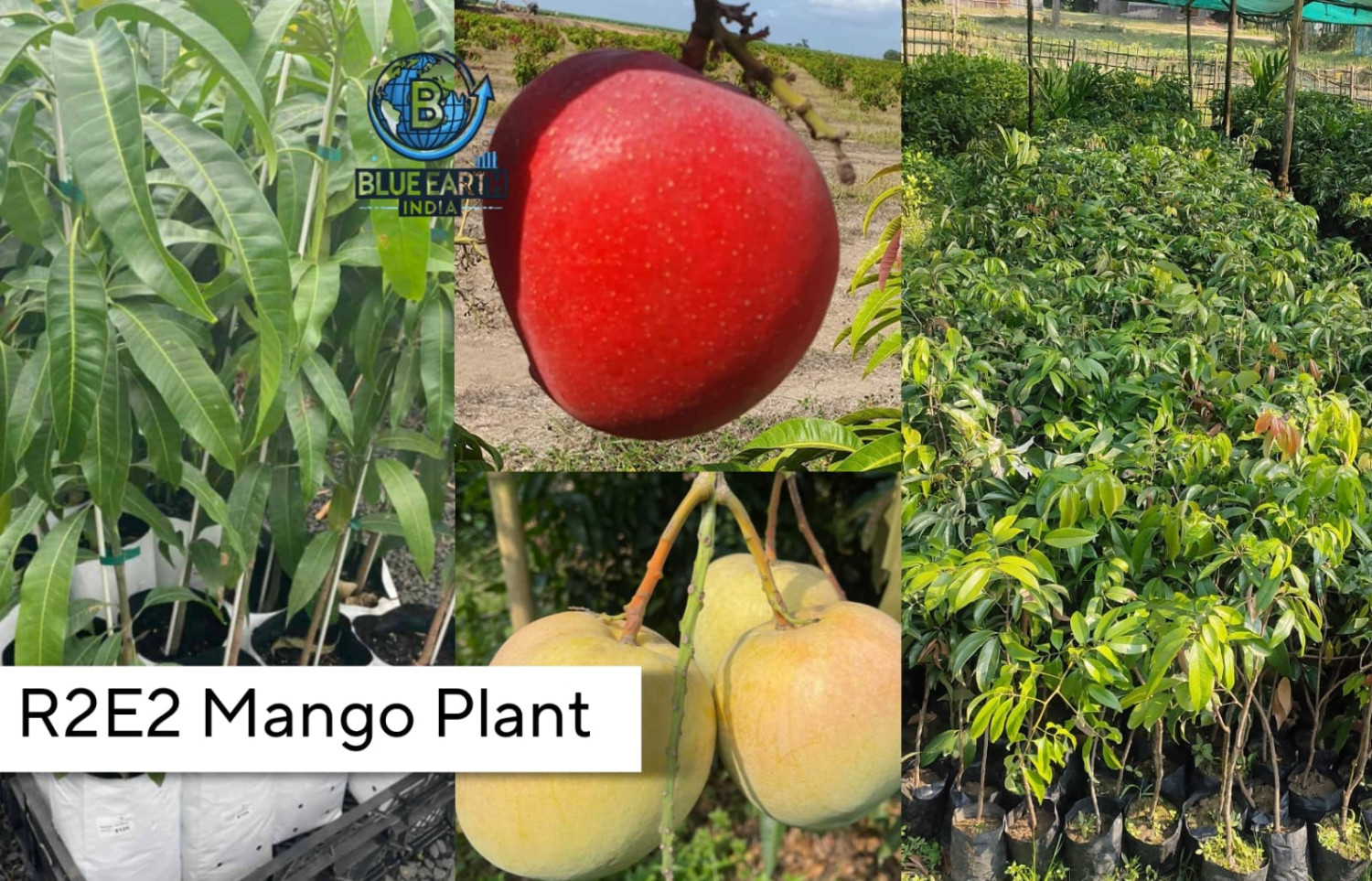
R2E2 Mango Plant
Rs249.00
Rs498.00
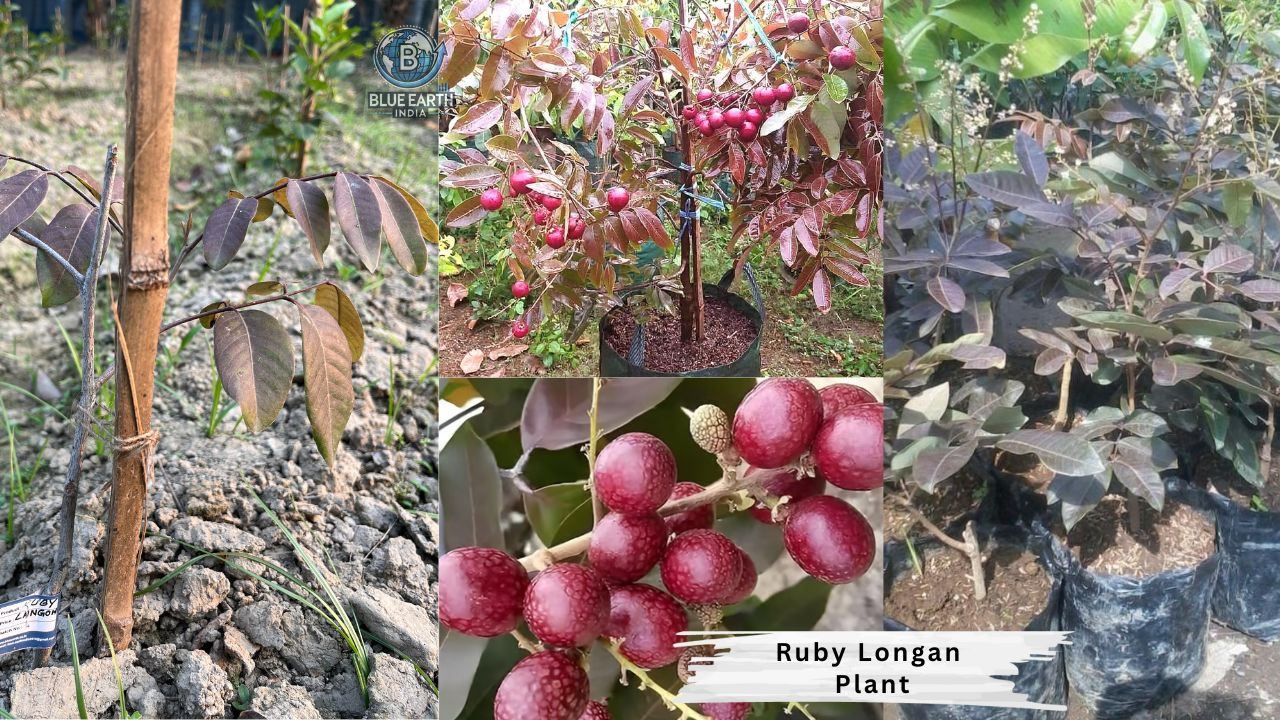
Ruby Longan Plant
Rs1,598.00
Rs3,995.00
Top Selling Products
-
Rs249.00
Rs498.00 -
Rs299.00
Rs598.00 -
Rs249.00
Rs498.00 -
Rs149.00
Rs596.00 -
Rs598.00
-
Rs299.00
Rs598.00