


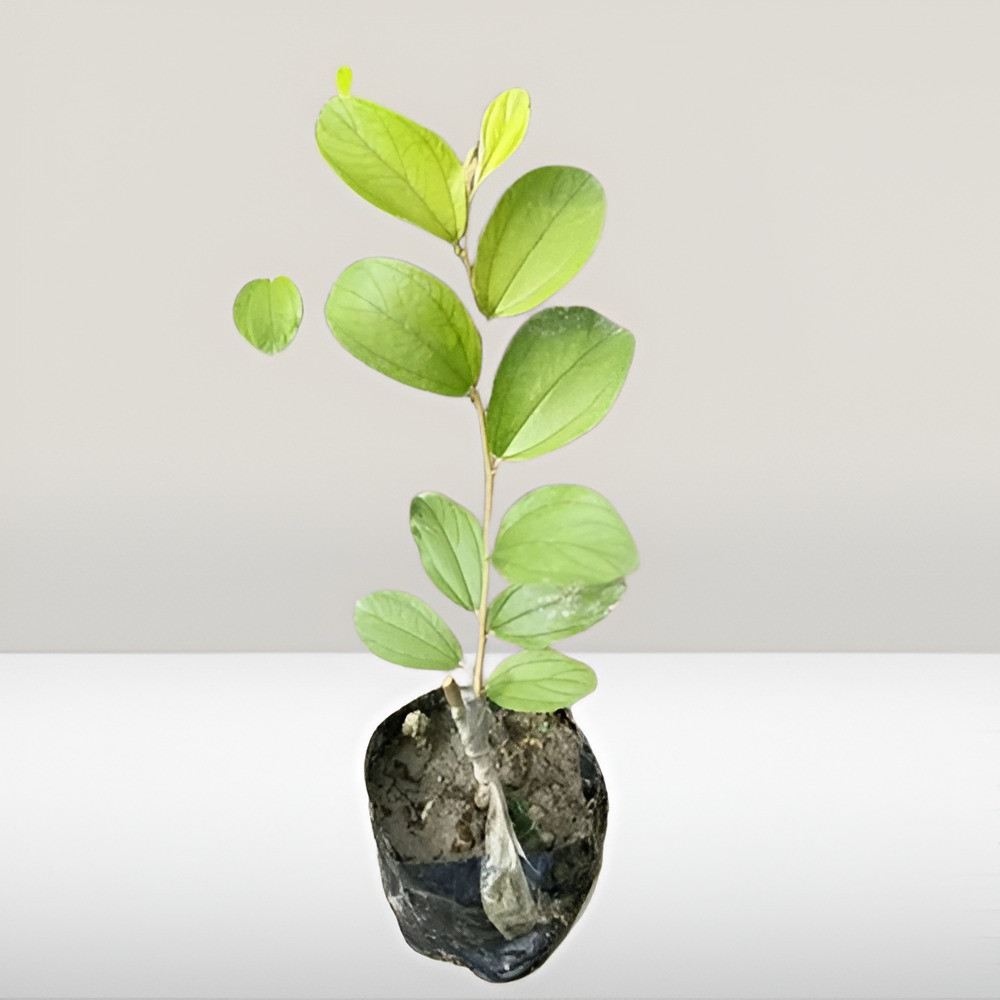
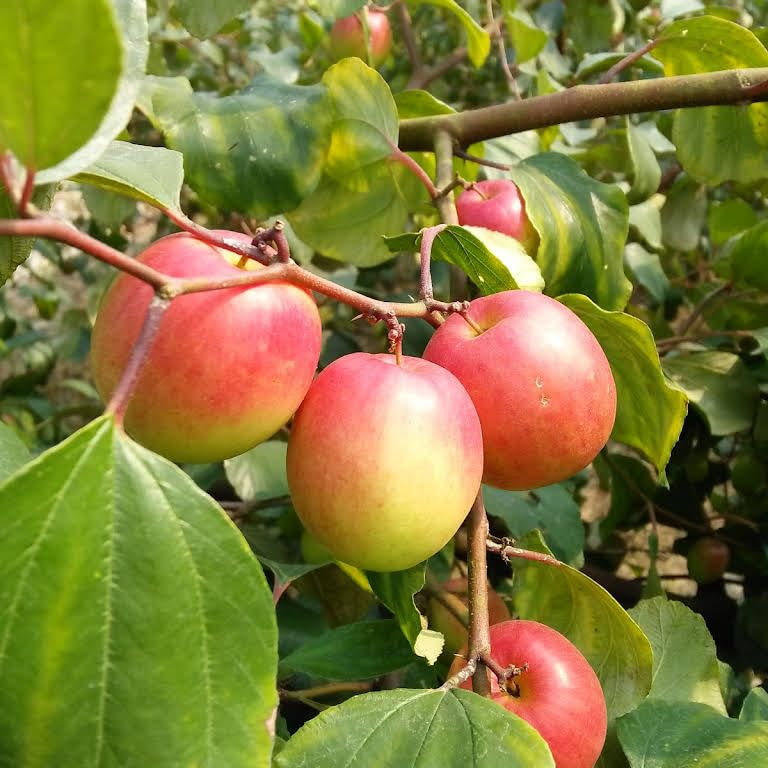
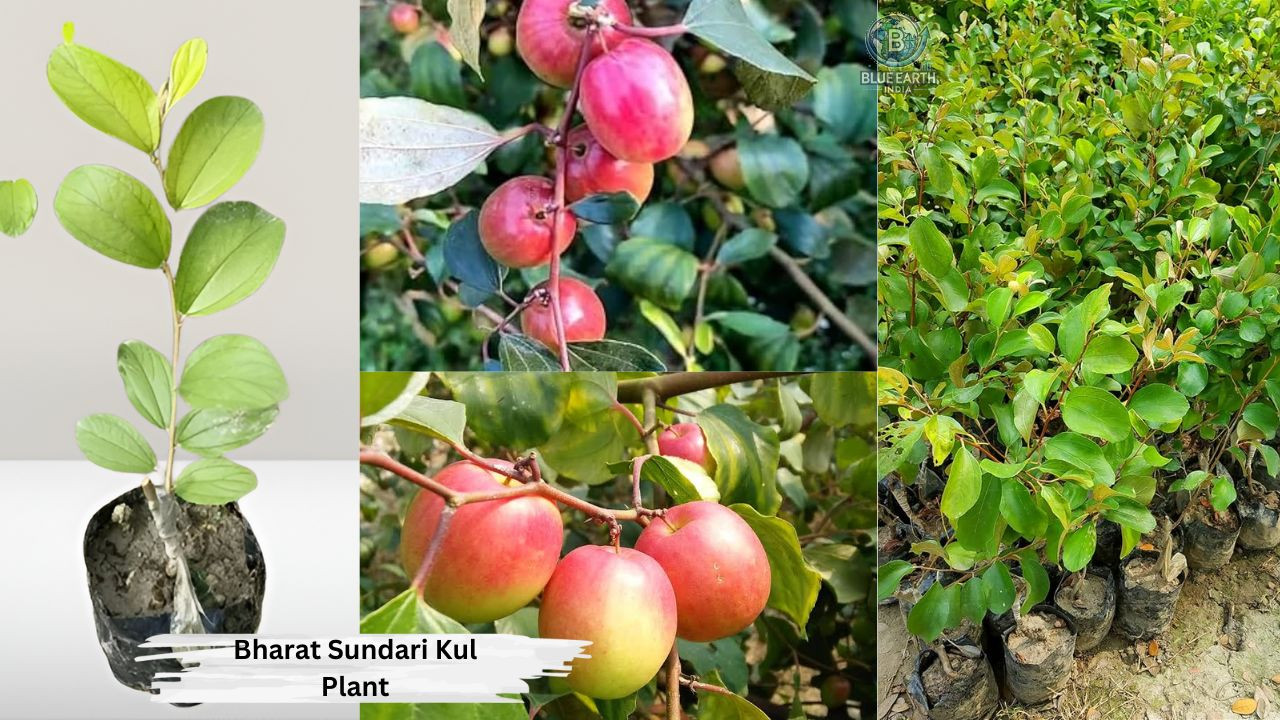
Bharat Sunadari Kull Plant
Inhouse product
-
 Rs249.00
Rs498.00 -
Rs299.00
Rs598.00 -
Rs249.00
Rs498.00 -
Rs149.00
Rs596.00 -
Rs598.00
-
Rs299.00
Rs598.00
Reviews & Ratings
The Bharat Sundari Kull plant, commonly known as Ficus microcarpa or Indian Laurel Fig, is a species of flowering plant in the fig family Moraceae. It is often referred to as a tropical evergreen tree and is widely found in regions with tropical and subtropical climates, such as India, Southeast Asia, and parts of Australia.
Here’s more detailed information about the Bharat Sundari Kull plant:
1. Botanical Name:
-
Scientific Name: Ficus microcarpa
-
It is part of the Ficus genus, which includes other well-known species like the banyan tree and peepal tree.
2. Common Names:
-
Bharat Sundari Kull
-
Indian Laurel Fig
-
Green Banyan
-
Chinese Banyan
-
Malayan Fig
3. Physical Description:
-
Size: This plant can grow into a medium to large-sized tree, typically ranging from 10 to 20 meters (33 to 66 feet) in height.
-
Leaves: The leaves are glossy, leathery, and oval-shaped, with smooth margins. They are usually dark green and can grow up to 12 cm long.
-
Fruit: The tree produces small, spherical figs that are green when young and turn reddish or yellow when ripe. These figs are often very small and have a fig-like appearance.
-
Roots: One of its most notable features is the aerial roots, which descend from the branches and take root in the soil. These roots can create an impressive visual display, making the tree aesthetically unique.
4. Habitat and Growth:
-
The tree thrives in tropical and subtropical climates, preferring warm and humid conditions.
-
It is commonly found in urban landscapes, parks, and gardens, both as a shade tree and as a decorative plant.
-
Ficus microcarpa is also known for its air-purifying properties, which makes it popular in indoor and outdoor green spaces.
5. Ecological Importance:
-
Biodiversity: The plant contributes to the local ecosystem by providing habitat and food for birds and other animals. Its figs attract various bird species and insects.
-
Soil Erosion Control: The plant's dense root system helps prevent soil erosion in coastal or hilly areas.
-
Shade and Cooling: As an evergreen tree, it provides shade and can help reduce temperatures in urban settings.
6. Cultural Significance:
-
In Indian culture, the Bharat Sundari Kull or Ficus microcarpa is often associated with traditional landscaping and is used as an ornamental tree in gardens and public spaces.
-
In some places, the tree is considered to have spiritual or religious significance in Hinduism due to its association with other fig species like the Peepal tree (Ficus religiosa).
7. Medicinal Uses:
-
While it’s primarily known for its ornamental value, some traditional medicine practices utilize parts of the Ficus microcarpa for treating minor ailments.
-
The leaves and bark are sometimes used in local remedies, though scientific research on the medicinal benefits of this specific plant is limited.
8. Care and Maintenance:
-
Soil: The plant prefers well-drained, loamy soil but can tolerate various soil types.
-
Watering: It requires moderate watering, ensuring the soil is kept moist but not waterlogged.
-
Light: It thrives in bright, indirect sunlight but can also tolerate some shade.
-
Temperature: The plant is best suited for warmer regions and should be protected from frost.
9. Propagation:
-
It can be propagated by cuttings or by planting the seeds from its figs. The process of growing from cuttings is relatively straightforward, as the plant roots easily from the branch tips.
10. Uses:
-
Landscaping: It is often planted for ornamental purposes, especially in urban areas.
-
Indoor Plant: Small versions of the plant are sometimes kept as indoor houseplants, as they require minimal maintenance.
-
Fodder: In some regions, parts of the plant are used as fodder for livestock.
Conclusion:
The Bharat Sundari Kull (Ficus microcarpa) is a hardy, adaptable tree with aesthetic and ecological benefits. Whether for landscaping, urban greenery, or its air-purifying properties, this tree is a valuable addition to various environments. It also holds cultural significance in certain regions and contributes to biodiversity and environmental conservation.
Let me know if you need more details or have any other questions!
Frequently Bought Products
-
Rs249.00
Rs498.00 -
Rs299.00
Rs598.00 -
Rs249.00
Rs498.00 -
Rs149.00
Rs596.00 -
Rs598.00
-
Rs299.00
Rs598.00