


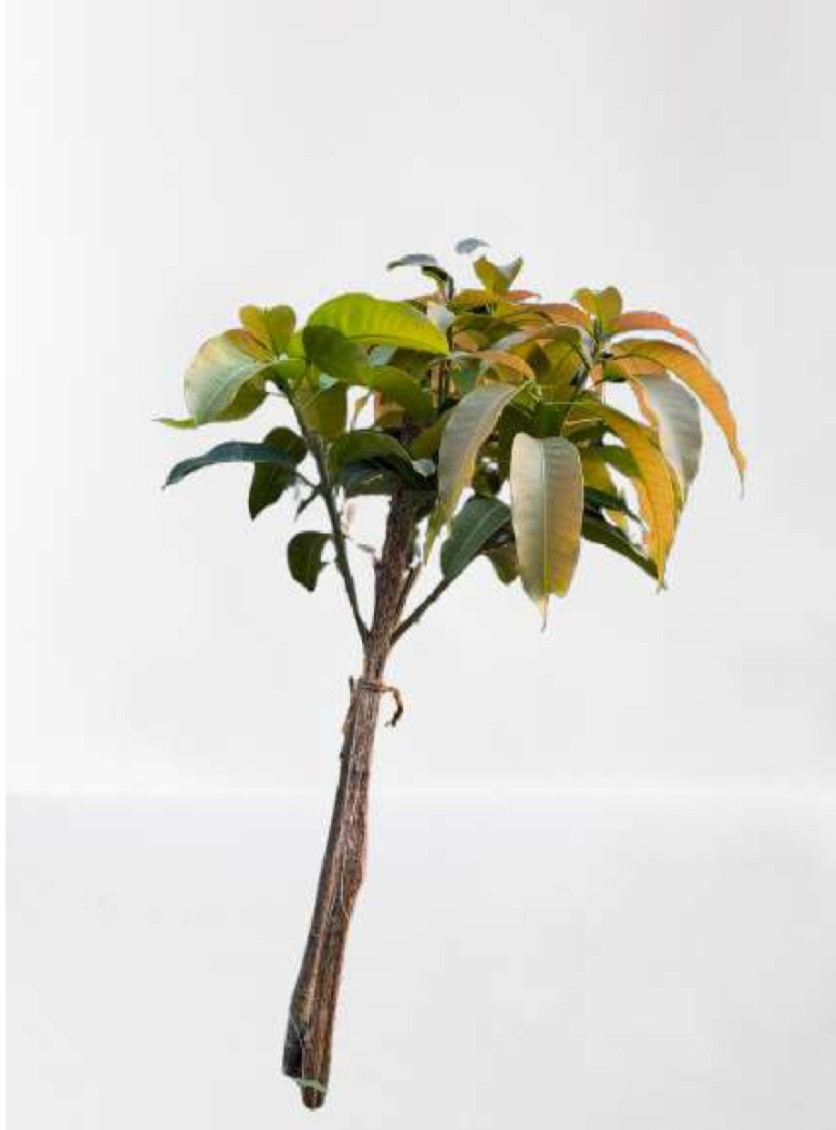
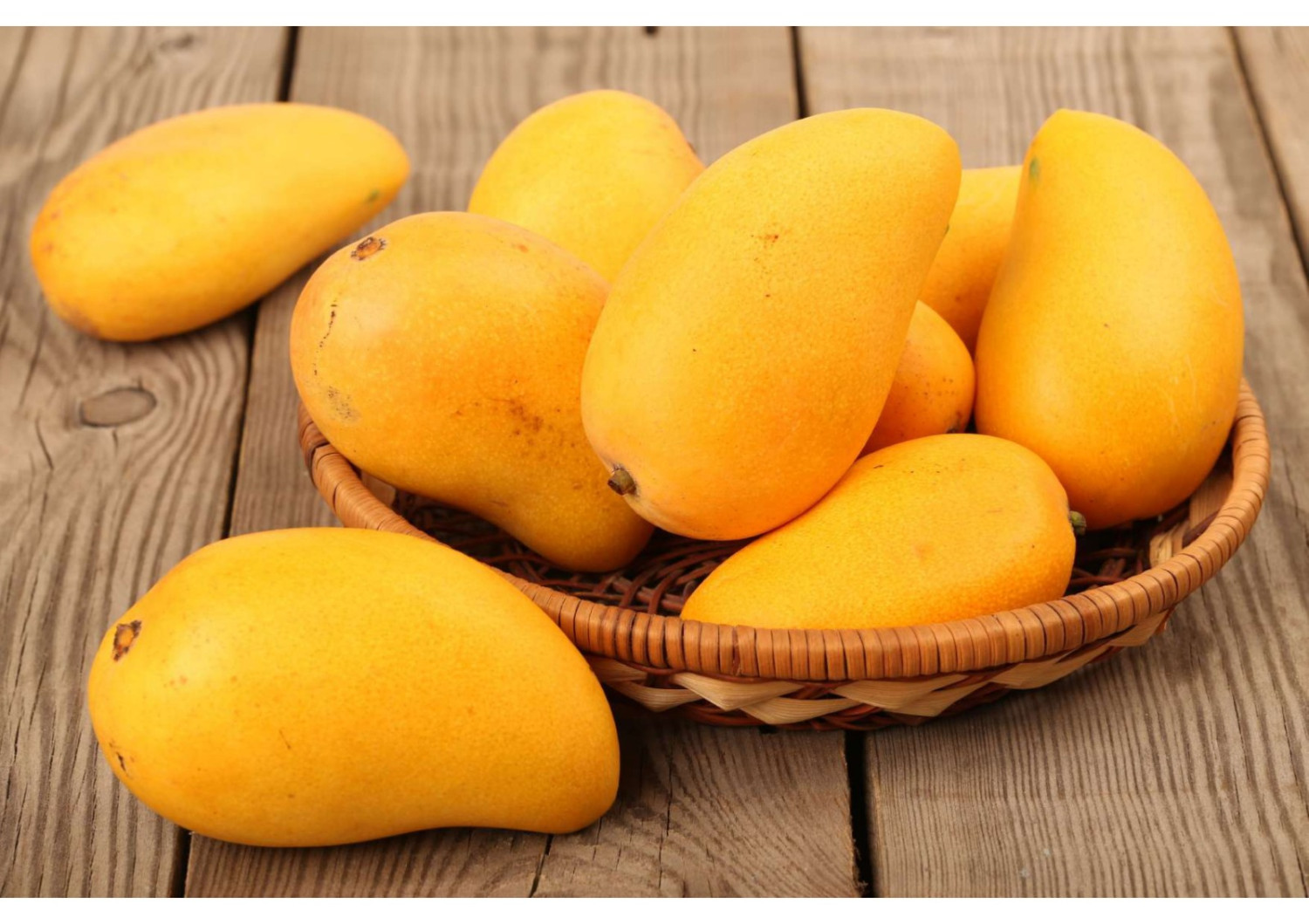

Phillipine Sweet Mango Plant
(0
reviews)
Estimate Shipping Time:
4 Days
Inhouse product
Price
Rs598.00
/1
Share
Top Selling Products
-
 Rs249.00
Rs498.00 -
Rs299.00
Rs598.00 -
Rs249.00
Rs498.00 -
Rs149.00
Rs596.00 -
Rs598.00
-
Rs299.00
Rs598.00
Reviews & Ratings
0
out of 5.0
(0
reviews)
There have been no reviews for this product yet.
The Philippine Sweet Mango (Mangifera indica) is one of the most famous and highly regarded mango varieties in the world due to its rich, sweet flavor and smooth, non-fibrous texture. Here’s a more detailed look at the plant and its characteristics:
1. Origin
- As the name suggests, the Philippine Sweet Mango is native to the Philippines, where it is highly celebrated and is considered the national fruit.
- The variety grown in the Philippines is often known as Carabao Mango (named after the water buffalo), and it is known for its unique sweetness and creamy texture.
2. Characteristics of the Plant
- Type: Evergreen tree, typically growing up to 30–40 feet tall, though it can be pruned to remain smaller.
- Leaves: The leaves are long, glossy, and dark green.
- Flowers: Small, yellowish-green flowers that grow in panicles, usually appearing in late spring to early summer.
- Fruit: The fruit is oval or kidney-shaped, typically weighing between 300–800 grams, and the flesh is smooth and non-fibrous with a creamy texture and distinct sweetness.
- Color: When ripe, the mango has a vibrant golden-yellow skin, though it may have a slight greenish tinge when not fully ripe.
3. Taste and Texture
- The Philippine Sweet Mango is incredibly sweet, juicy, and aromatic. Its flesh has very little fiber, making it exceptionally smooth and easy to eat.
- The taste is rich, buttery, and often described as the sweetest variety of mango in the world, with a perfect balance of sweetness and a slight tanginess.
4. Growing Conditions
- Climate: As a tropical fruit, the Philippine Sweet Mango thrives in hot, humid, and sunny conditions. It requires well-drained, slightly acidic soil.
- Watering: Regular watering is important, but the plant should not sit in waterlogged soil. A deep watering system is best.
- Sunlight: Mango trees require full sun for optimal growth, as they need at least 8 hours of sunlight per day to produce fruit.
- Soil: Well-drained, sandy or loamy soil is ideal. The tree does not tolerate waterlogged conditions or heavy clay soil.
5. Propagation
- The mango tree can be propagated by seed or grafting. Grafting ensures that the fruit produced will have the same high-quality characteristics as the parent plant, while growing from seed can lead to variation in the quality of the mango.
- Seed propagation takes longer to bear fruit, usually 5–8 years, while grafted trees may begin to fruit within 3–4 years.
6. Care and Maintenance
- Pruning: Regular pruning helps maintain the tree’s shape, remove dead or damaged branches, and encourage healthy fruiting.
- Fertilization: Mango trees benefit from periodic fertilization, especially during the growing season. Organic fertilizers or slow-release granular fertilizers can work well.
- Pests/Diseases: Common pests include fruit flies and aphids. Proper care and good hygiene can help prevent pest issues. Mango trees are also susceptible to fungal diseases, so it’s essential to manage humidity and ensure proper air circulation.
7. Harvesting
- The Philippine Sweet Mango usually takes 4–6 months from flowering to fruit maturity, depending on the climate and care.
- The mango should be harvested when it has turned fully yellow and is slightly soft to the touch. However, it can also be harvested when still green and allowed to ripen off the tree.
8. Uses
- The fruit is primarily consumed fresh, but it’s also used in various Filipino desserts and dishes like mango shakes, mango ice cream, and mango sticky rice.
- Mangoes are also dried, canned, or made into mango jam for preservation.
9. Cultural Significance
- The Philippine Sweet Mango is not only important as a fruit but also plays a role in local festivals and celebrations in the Philippines.
- The mango is a symbol of abundance and is highly revered for its delicious taste.
10. Economic Importance
- Mangoes, especially the Carabao Mango, are an important agricultural export of the Philippines. The fruit is sold both locally and internationally, with major export destinations including Japan, the United States, and other parts of Asia.
Frequently Bought Products
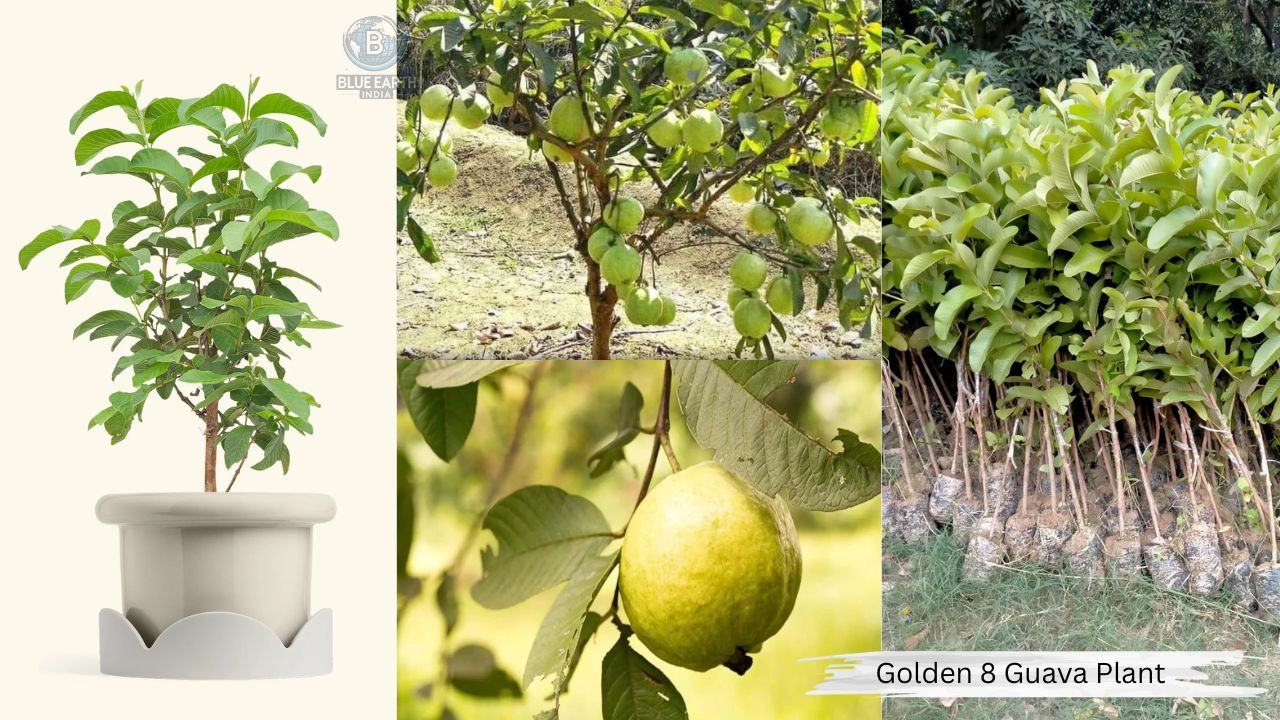
Golden 8 Guava Plant
Rs299.00
Rs598.00
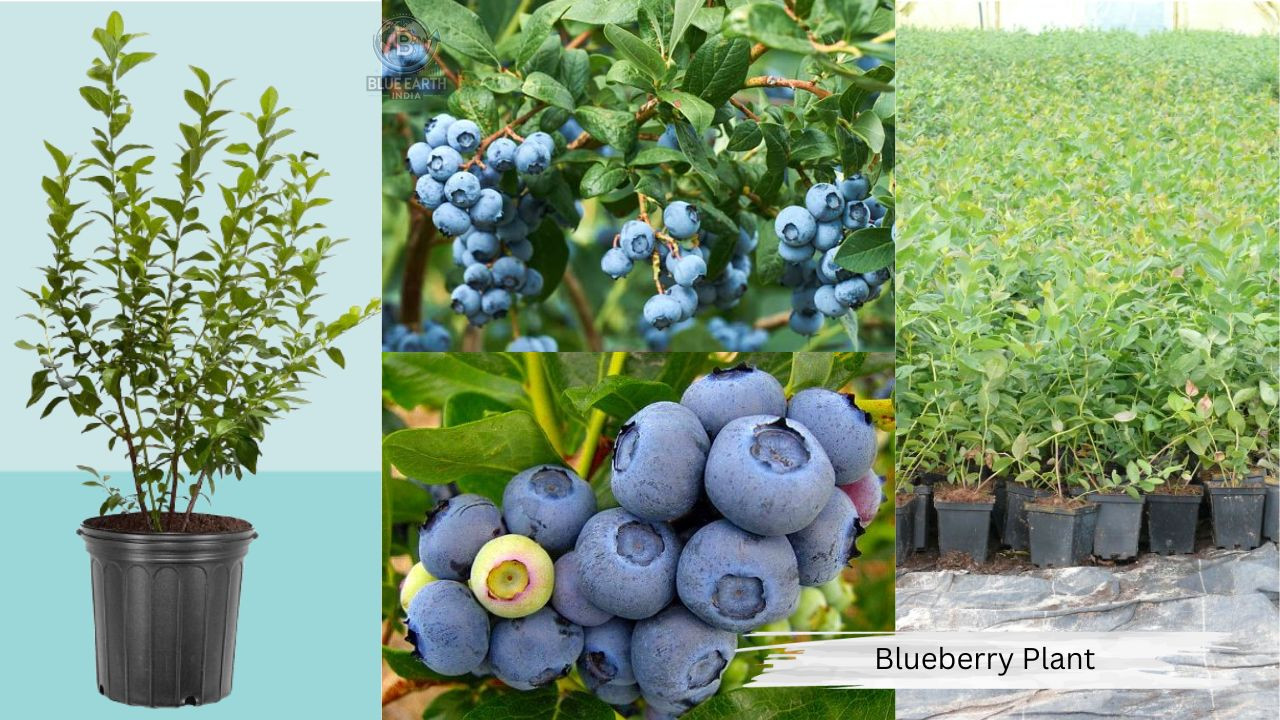
Blueberry Plant
Rs693.50
Rs1,825.00
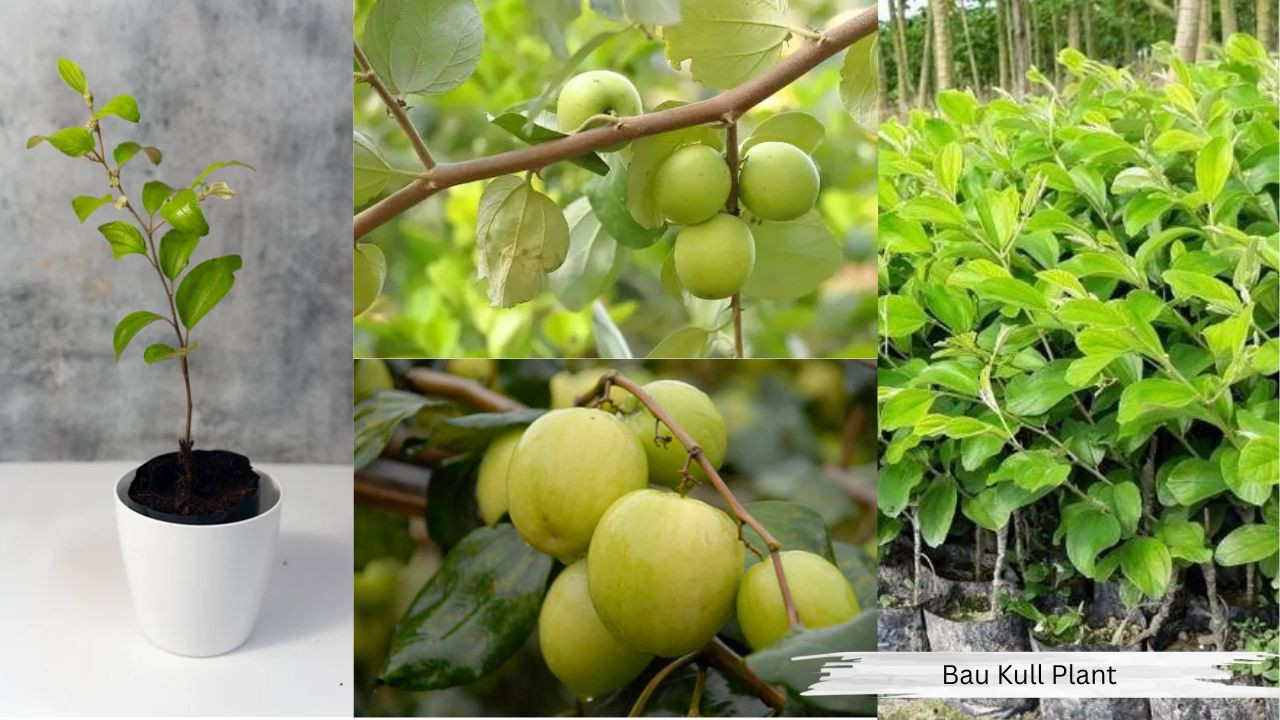
Bau Kull Plant
Rs98.80
Rs380.00
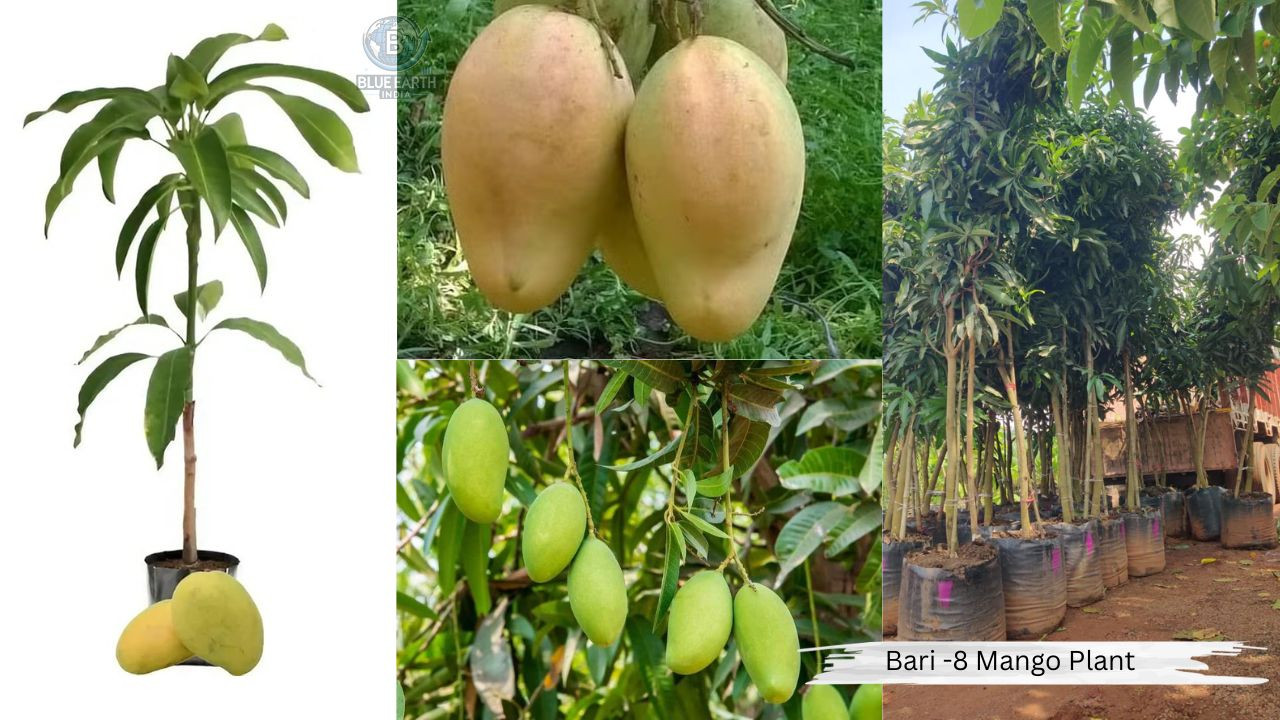
Bari 8 Mango Plant
Rs475.00
Rs950.00
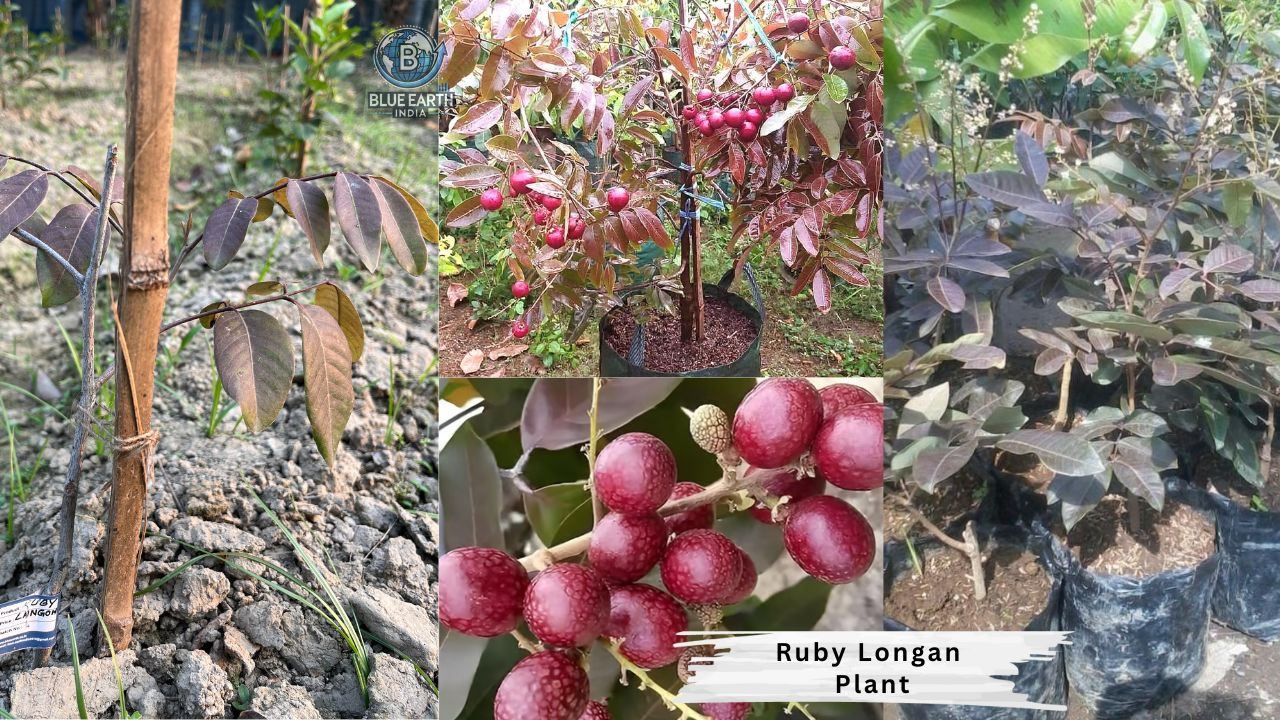
Ruby Longan Plant
Rs1,598.00
Rs3,995.00
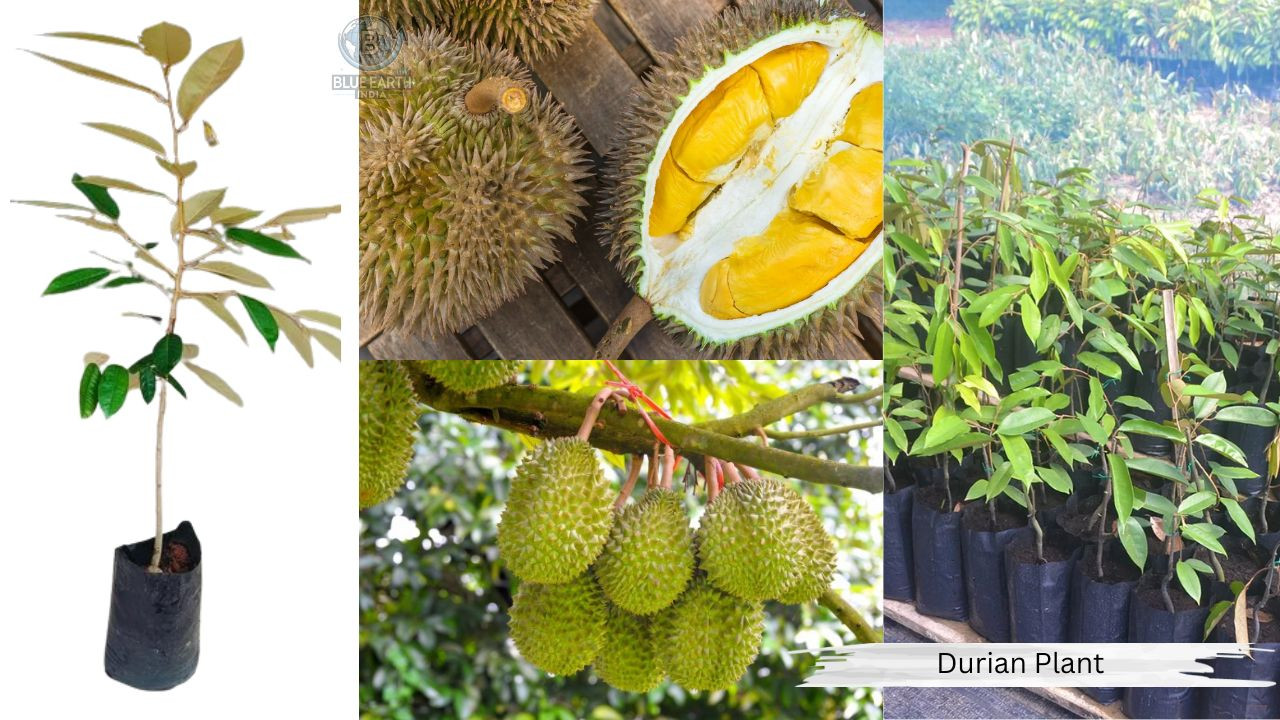
Durain Plant
Rs2,500.00
Rs5,000.00
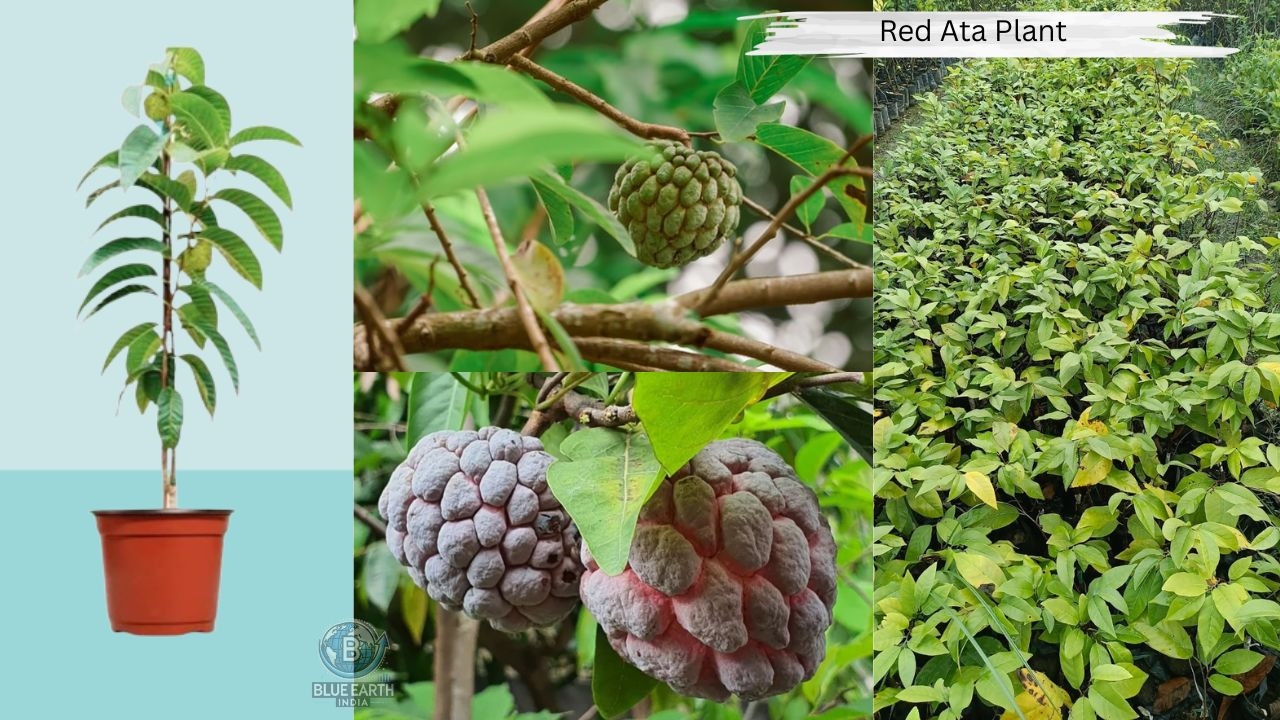
Red Custard (Ata ) Plant
Rs244.80
Rs765.00
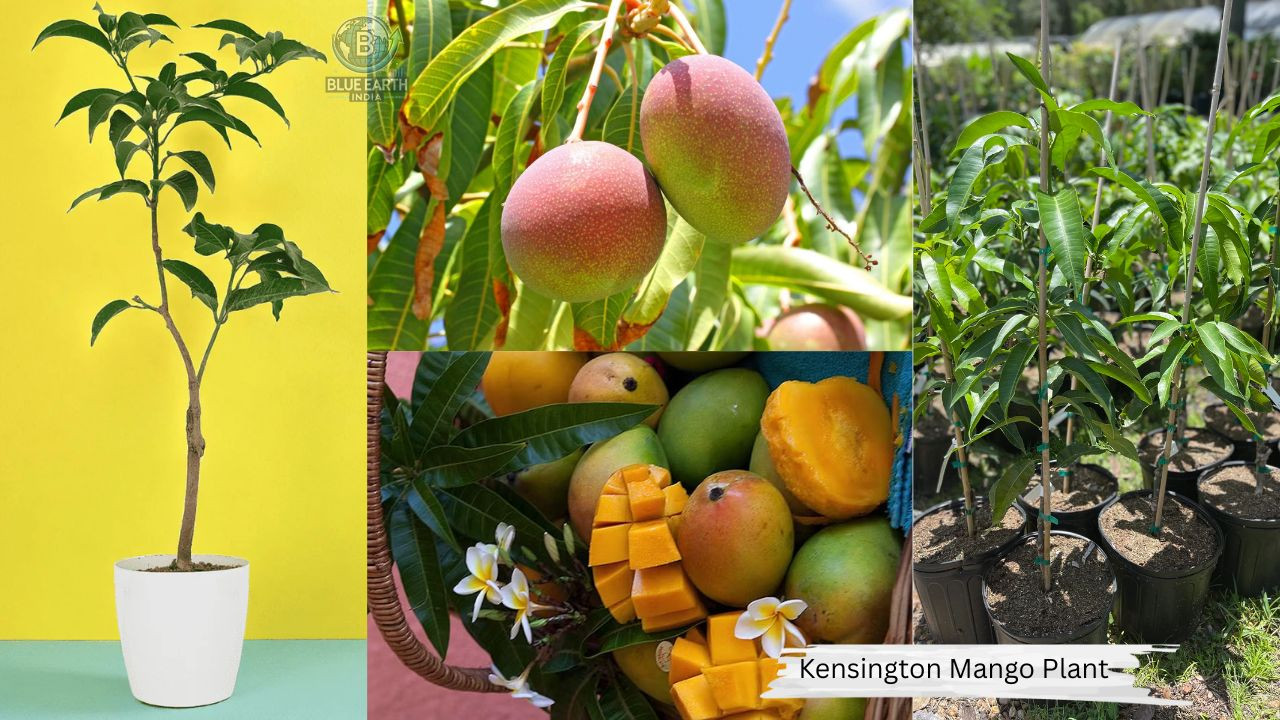
Kensington Mango Plant
Rs299.00
Rs598.00
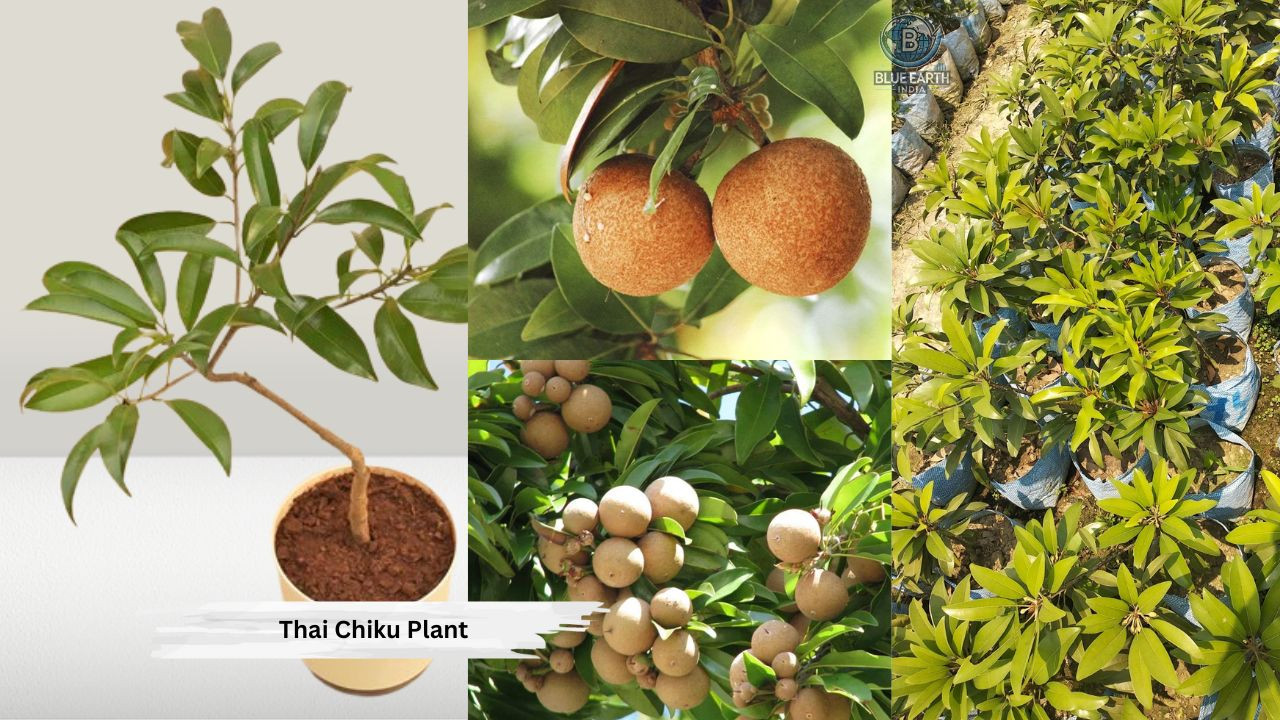
Thai Chiku Plant
Rs229.00
Rs458.00
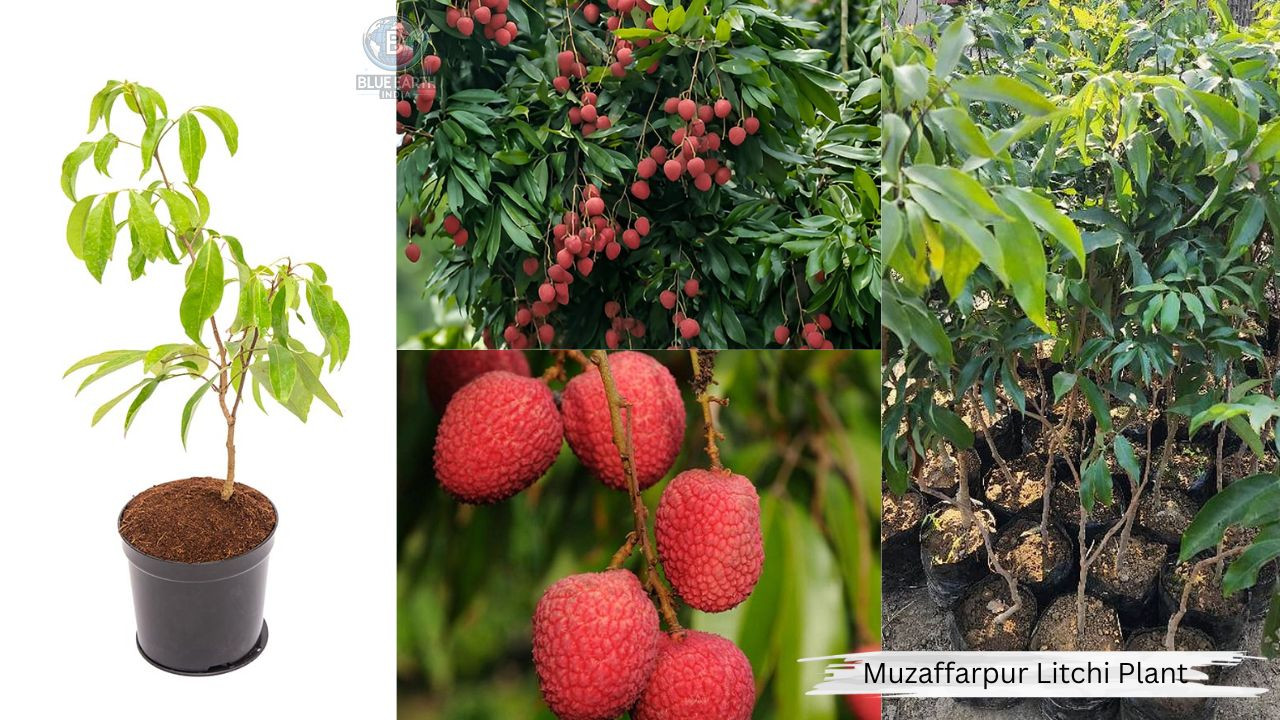
Muzaffar Lychee Plant
Rs249.00
Rs498.00
Top Selling Products
-
Rs249.00
Rs498.00 -
Rs299.00
Rs598.00 -
Rs249.00
Rs498.00 -
Rs149.00
Rs596.00 -
Rs598.00
-
Rs299.00
Rs598.00