


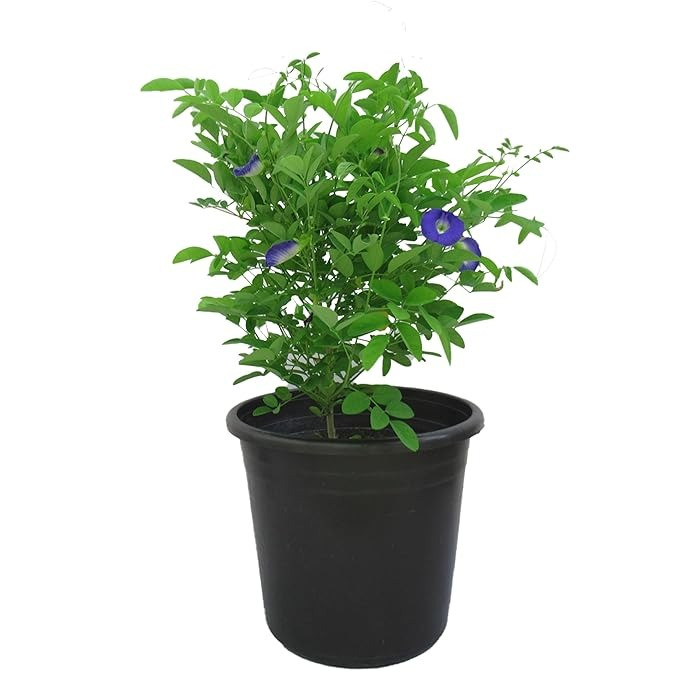
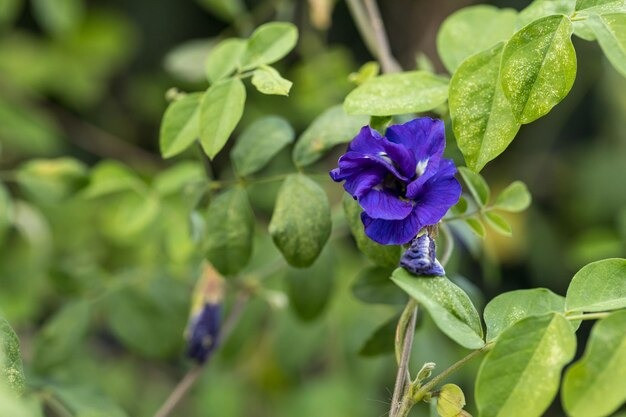
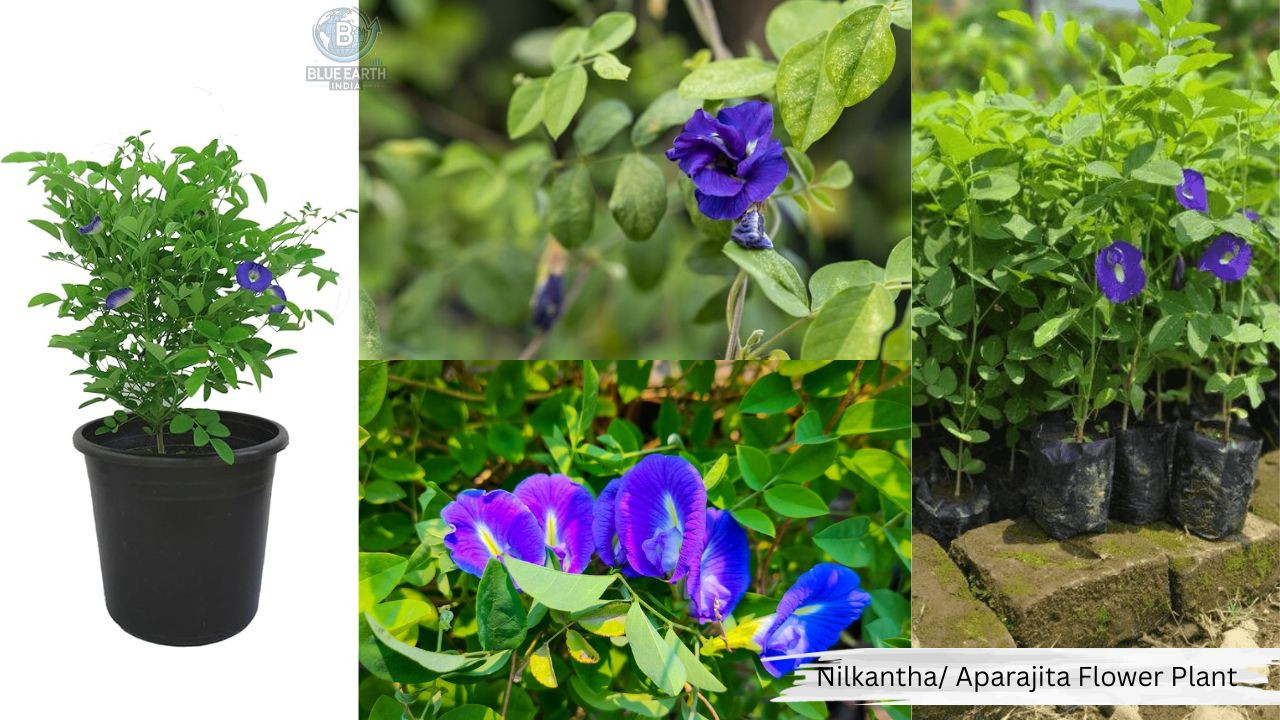
Nilkantha / Aparajita Flower Plant
Inhouse product
-
 Rs249.00
Rs498.00 -
Rs299.00
Rs598.00 -
Rs249.00
Rs498.00 -
Rs149.00
Rs596.00 -
Rs598.00
-
Rs299.00
Rs598.00
Reviews & Ratings
The Nilkantha flower plant is a name often used in South Asian regions, especially in India and Nepal, and may refer to more than one species depending on local usage. However, in many areas, the "Nilkantha" flower is commonly associated with plants that bear blue or violet flowers, given that "Neel" means blue and "Kantha" can refer to throat or neck, often linked symbolically to Lord Shiva (who is called Neelkanth due to his blue throat).
One plant commonly identified as Nilkantha is the Bluebell vine (Clitoria ternatea), also known as Aparajita, which fits this description. Another candidate, in Himalayan regions, might be Rohdea japonica or certain native blue-flowered forest species. Below is the description based on the most commonly accepted plant:
Nilkantha Flower Plant (Clitoria ternatea / Aparajita) – Description
The Nilkantha flower plant, commonly known as Aparajita or Butterfly Pea, is a perennial climbing plant native to Southeast Asia. It is revered for its striking deep blue or purple flowers, which have both medicinal and spiritual significance.
? Botanical Details:
-
Scientific Name: Clitoria ternatea
-
Common Names: Butterfly pea, Blue pea, Asian pigeonwings
-
Local Names: Nilkantha, Aparajita, Shankhpushpi (in some regions)
Plant Features:
-
Type: Fast-growing, twining climber or creeper
-
Leaves: Green, compound leaves with 5–7 small leaflets
-
Flowers:
-
Vibrant blue or purple, occasionally white
-
Shaped like a conch or butterfly
-
Bloom singly and are often used in rituals and traditional medicines
-
-
Fruit: Slender pod with 6–10 seeds inside
-
Height: Can grow up to 6–10 feet if supported
Growing Conditions:
-
Sunlight: Full sun to partial shade
-
Soil: Well-drained, fertile soil
-
Watering: Regular but not excessive watering; drought-tolerant once established
-
Propagation: Easily propagated by seeds
Uses and Significance:
-
Spiritual Use:
-
Considered a sacred flower in Hindu rituals, especially offered to Lord Shiva and Goddess Durga
-
The name "Nilkantha" also links the flower symbolically to Shiva’s blue throat
-
-
Medicinal Value:
-
Used in Ayurveda and traditional medicine to treat stress, anxiety, and inflammation
-
Roots, seeds, and flowers are used for tonics, teas, and herbal preparations
-
-
Culinary:
-
In Southeast Asia, the flower is used to make blue tea or color food naturally
-
-
Ornamental:
-
Commonly grown in gardens, fences, and trellises for its beautiful flowers
-
Frequently Bought Products
-
Rs249.00
Rs498.00 -
Rs299.00
Rs598.00 -
Rs249.00
Rs498.00 -
Rs149.00
Rs596.00 -
Rs598.00
-
Rs299.00
Rs598.00