


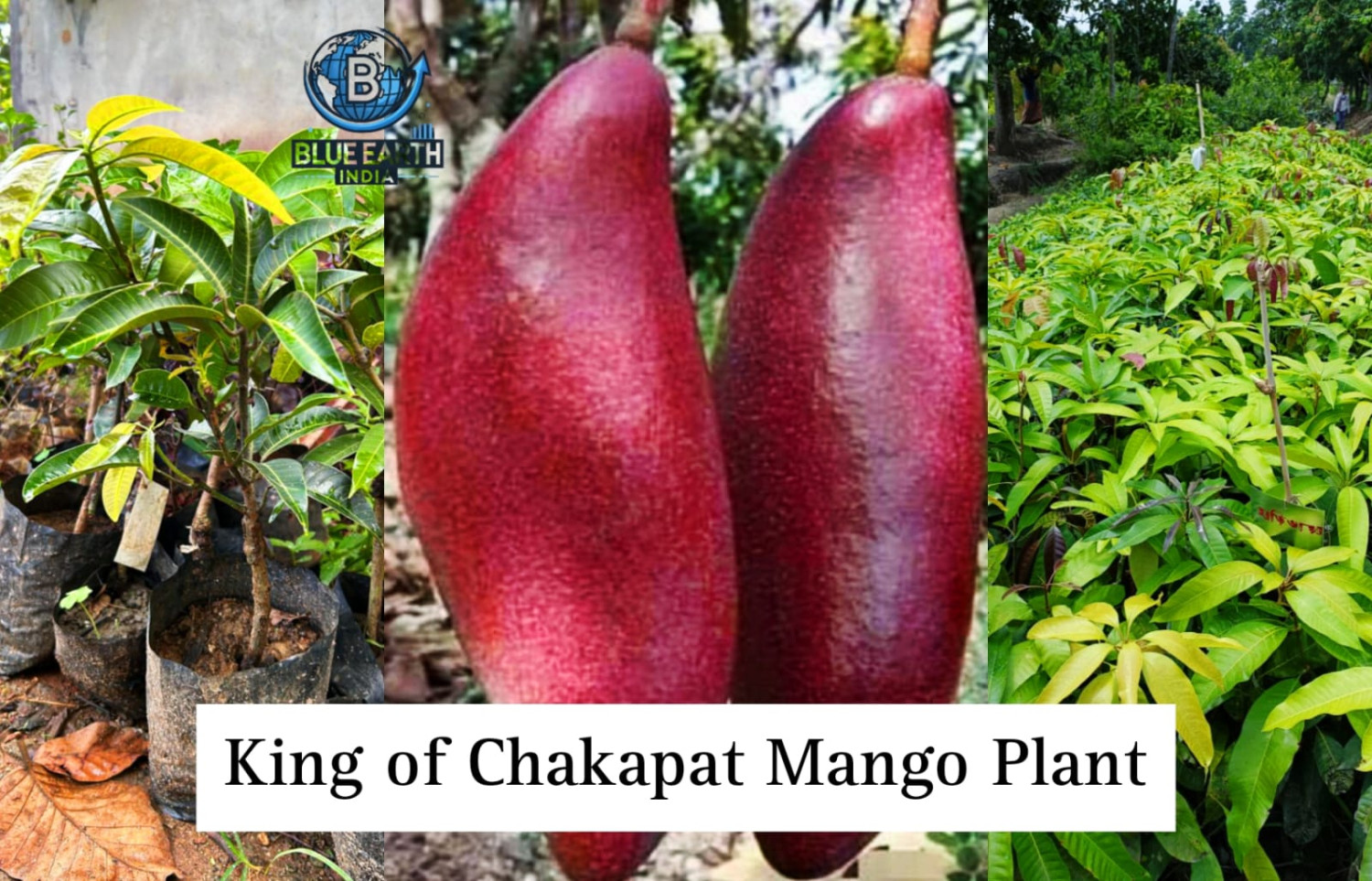
King Of Chakapat Mango Plant
(0
reviews)
Estimate Shipping Time:
4 Days
Inhouse product
Price
Rs690.00
/1 piece
Share
Top Selling Products
-
 Rs249.00
Rs498.00 -
Rs299.00
Rs598.00 -
Rs249.00
Rs498.00 -
Rs149.00
Rs596.00 -
Rs598.00
-
Rs299.00
Rs598.00
Reviews & Ratings
0
out of 5.0
(0
reviews)
There have been no reviews for this product yet.
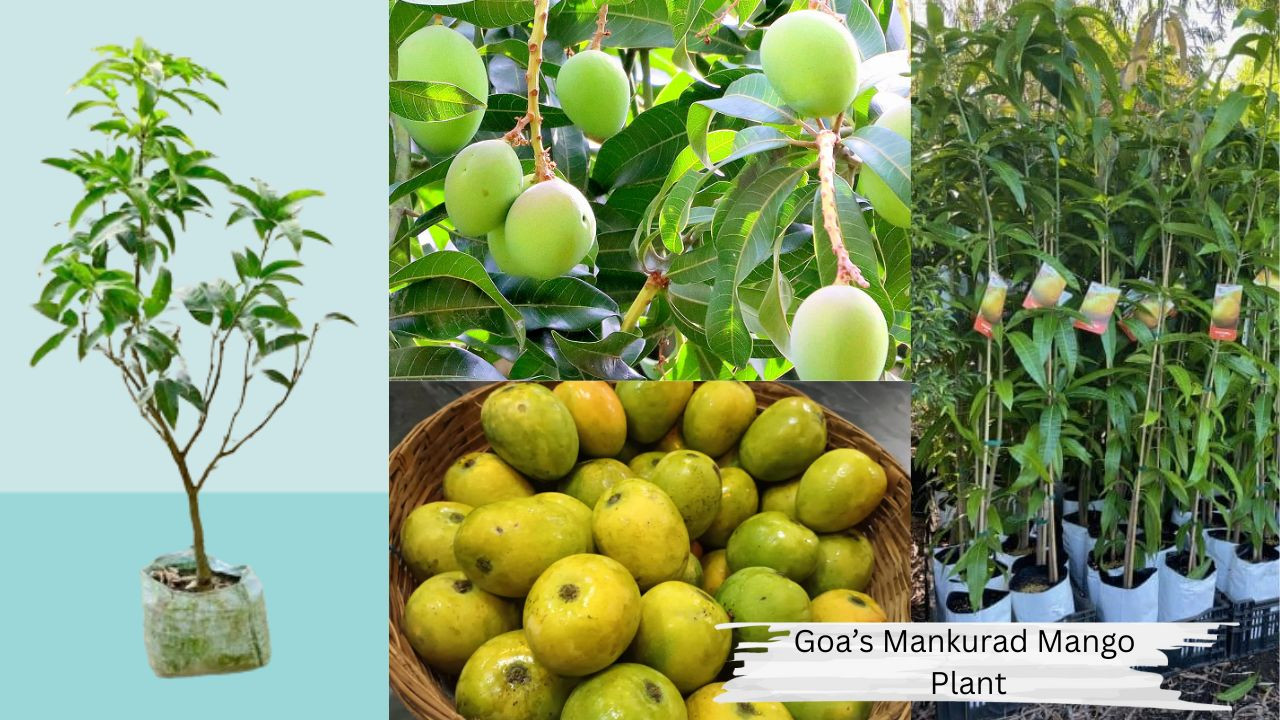
The King of Chakapat Mango is a highly prized and exceptional variety of mango known for its superior flavor, large size, and distinctive aroma. It is regarded as one of the finest mango varieties in India and other tropical regions. Here's an in-depth overview of the King of Chakapat Mango plant:
1. Origin:
- The King of Chakapat Mango is believed to have originated in India, particularly in the tropical regions where mangoes are highly valued.
- It is a specialized variety of the Chakapat Mango, a unique mango known for its rich flavor. The "King" designation implies that it is an enhanced version, often considered the best among Chakapat mangoes.
2. Appearance:
- Tree Size: The King of Chakapat Mango tree is typically a large and robust tree that can grow up to 20–25 feet (6 to 7.5 meters) in height.
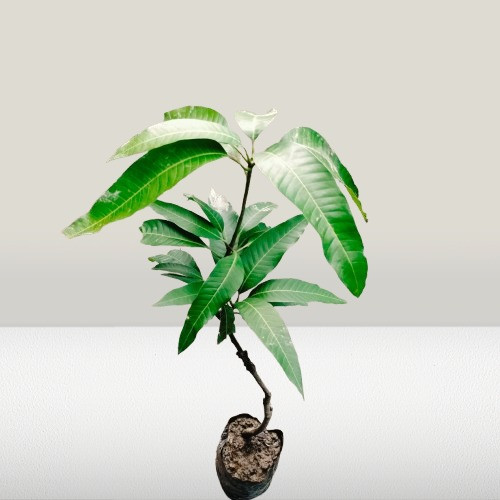
- Leaves: The tree has large, glossy green leaves that are typical of mango trees and contribute to its tropical appeal.
- Fruit Characteristics:
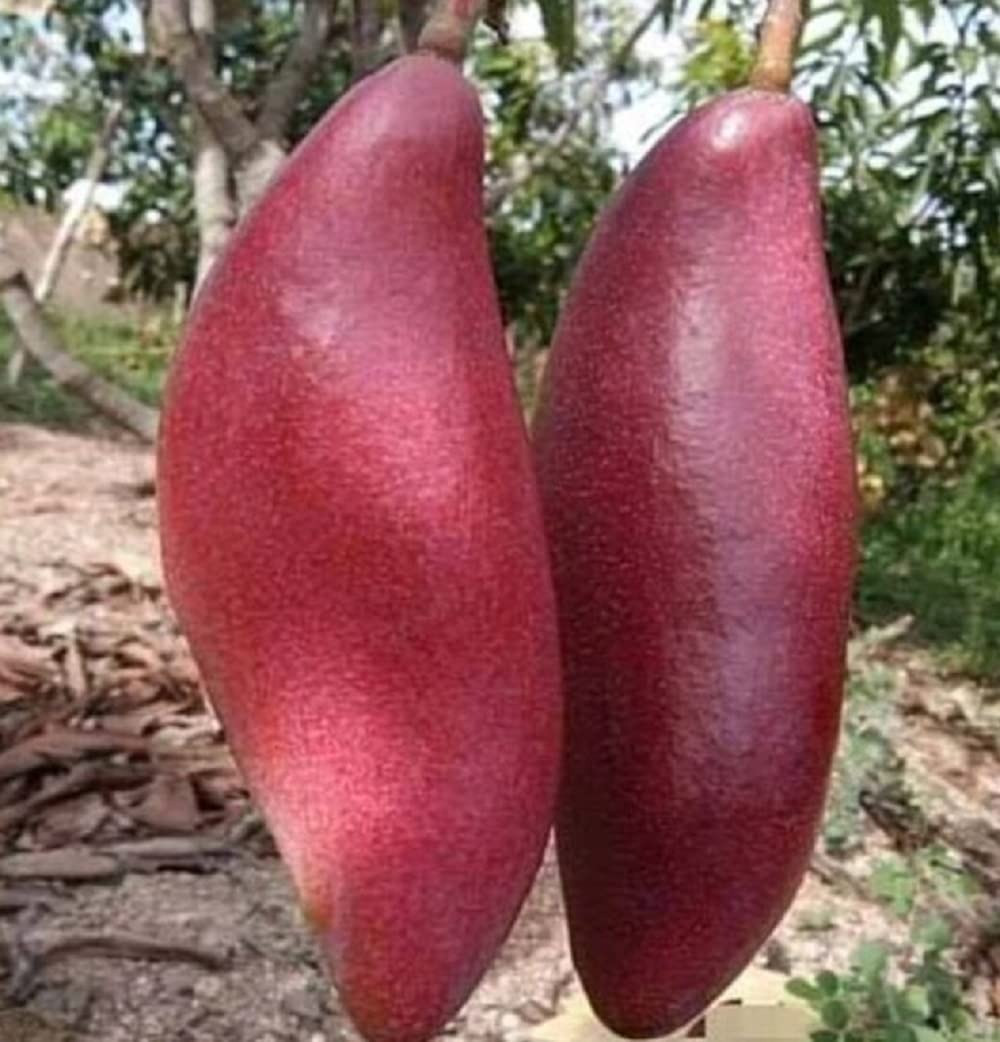
- The fruit is large and oval-shaped, with an attractive golden yellow skin when ripe. It may also have a slight reddish blush on its surface.
- The flesh is smooth, fiberless, and bright yellow, making it ideal for both fresh consumption and culinary uses.
- The mango has a juicy and sweet taste, often considered one of the most flavorful varieties of mango.
3. Flavor and Texture:
- The King of Chakapat Mango is famous for its exceptional sweetness and aromatic flavor. It is typically much sweeter than other mango varieties, with a rich, tropical taste that is both refreshing and indulgent.
- Its fiberless flesh makes it especially desirable, as it is easy to eat and perfect for a wide range of uses like mango-based desserts, smoothies, and mango juices.
4. Growing Conditions:
- Climate: The King of Chakapat Mango thrives in tropical and subtropical climates, where the temperatures are consistently warm and the growing season is long. It requires sunny conditions and high temperatures for fruit ripening.
- Soil: This mango variety prefers well-drained, fertile soil, particularly loamy or sandy soil. A slightly acidic to neutral pH is ideal. It is sensitive to waterlogged soil and requires proper drainage to avoid root rot.
- Watering: While the King of Chakapat Mango is relatively drought-tolerant once established, regular watering is essential during the flowering and fruit-setting period for optimal fruit production.
- Sunlight: The tree needs full sunlight for at least 6–8 hours a day to promote healthy growth and ensure that the fruit develops a rich flavor.
5. Yield and Harvesting:
- High Yield: The King of Chakapat Mango is known for its high yield. The tree produces a large quantity of mangoes, especially when given optimal care and growing conditions.
- Harvesting Time: The fruit typically ripens in the summer months (from May to June), depending on the climate.
- Mature Trees: The tree begins to bear fruit after 3 to 5 years of planting, depending on soil conditions and care. However, it can take a few more years for it to reach its peak fruit-bearing capacity.
6. Disease Resistance:
- The King of Chakapat Mango is relatively disease-resistant, with good tolerance to common mango diseases such as powdery mildew and Anthracnose. However, it can be susceptible to pests like fruit flies, scale insects, and mango weevils.
- Regular pest management and disease prevention measures, including the use of organic or chemical treatments, can help maintain healthy trees and produce high-quality fruit.
7. Uses:
- Fresh Consumption: The King of Chakapat Mango is primarily consumed fresh due to its sweet, aromatic flavor and fiberless flesh. It is perfect for eating as is or adding to fruit salads.
- Juices and Smoothies: The mango’s juicy flesh makes it ideal for making refreshing mango juices and smoothies.
- Mango-based Products: It is also used in making mango desserts, such as mango ice cream, mango lassi, and mango chutneys, owing to its sweetness and smooth texture.
8. Pruning and Care:
- Pruning: Regular pruning is essential for maintaining the shape of the tree, removing any dead or diseased wood, and encouraging healthy new growth. It also improves air circulation and light penetration, which benefits fruit production.
- Fertilization: The King of Chakapat Mango benefits from the use of balanced fertilizers. Organic matter like compost or manure can also be applied to improve soil quality and promote healthy growth.
9. Commercial and Home Cultivation:
- Commercial Farming: The King of Chakapat Mango is often cultivated for commercial purposes due to its high yield, exceptional flavor, and market demand. It is popular in areas where mango farming is a major agricultural activity.
- Home Gardening: For home gardeners in tropical or subtropical regions, the King of Chakapat Mango is an excellent choice. The tree requires ample space, but its high-quality fruit makes it worth the effort. Growing this variety in a home orchard will provide delicious, homegrown mangoes each season.
Frequently Bought Products
Top Selling Products
-
Rs249.00
Rs498.00 -
Rs299.00
Rs598.00 -
Rs249.00
Rs498.00 -
Rs149.00
Rs596.00 -
Rs598.00
-
Rs299.00
Rs598.00