


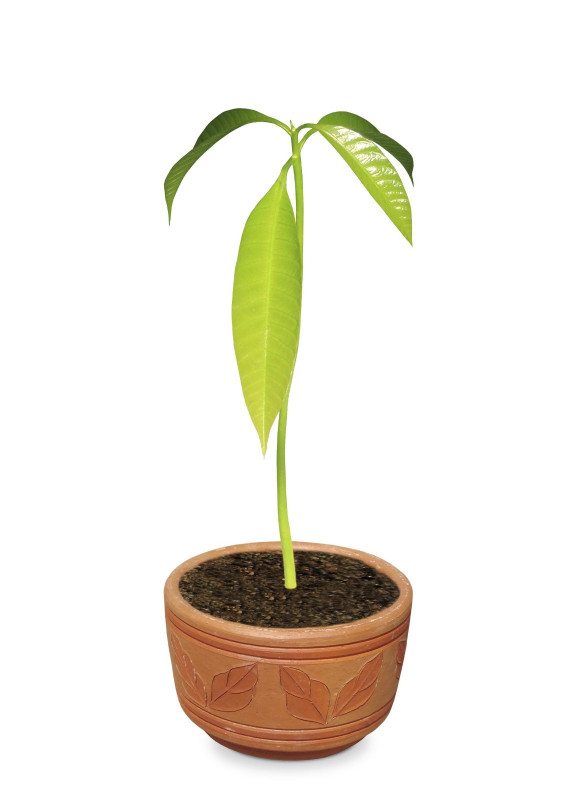
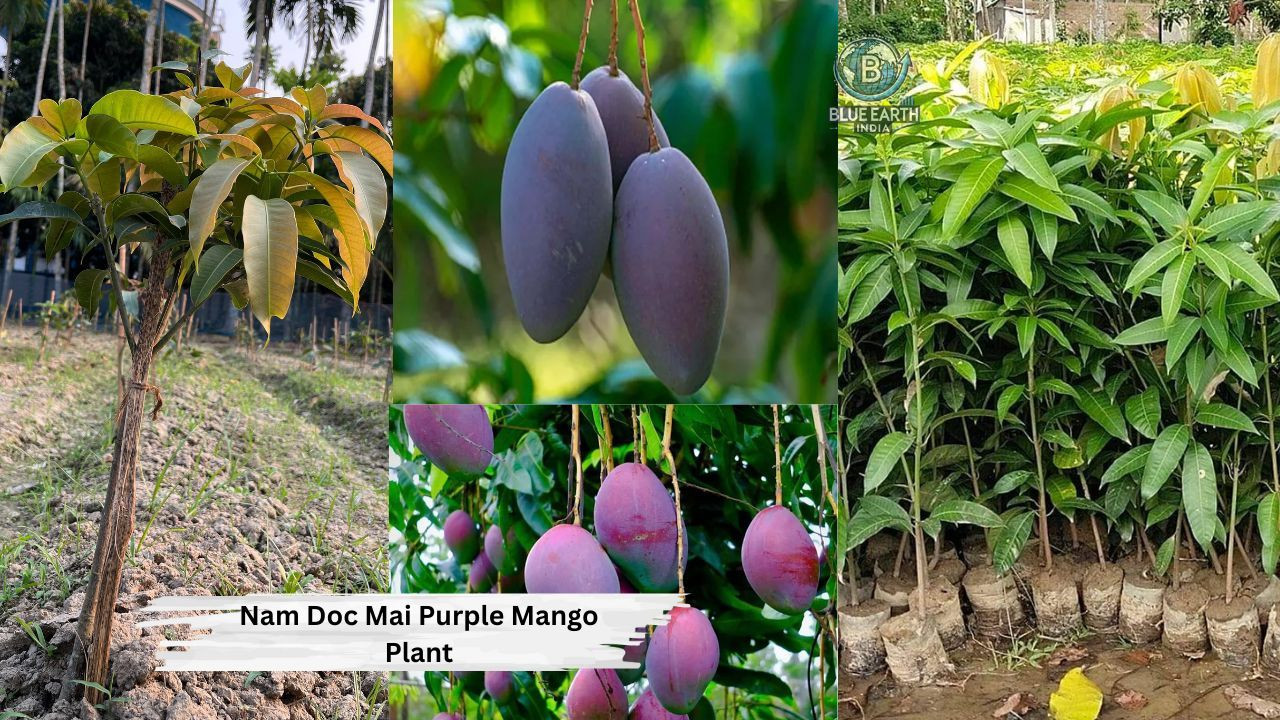
Nam Dok Mai Purple Mango Plant
(0
reviews)
Estimate Shipping Time:
4 Days
Price
Rs899.00
/pc
Share
Top Selling Products
-
 Rs249.00
Rs498.00 -
Rs299.00
Rs598.00 -
Rs249.00
Rs498.00 -
Rs149.00
Rs596.00 -
Rs598.00
-
Rs299.00
Rs598.00
Reviews & Ratings
0
out of 5.0
(0
reviews)
There have been no reviews for this product yet.
The Nam Dok Mai Purple mango is a unique and prized variety that hails from Thailand, known for its exceptional sweetness, fragrant aroma, and smooth texture. While it is most commonly grown in Thailand and other Southeast Asian countries, it has also gained popularity in other tropical regions around the world, including parts of Uganda, where favorable growing conditions exist.
Here's more information about the Nam Dok Mai Purple Mango:
1. Overview of Nam Dok Mai Purple Mango
- Scientific Name: Mangifera indica
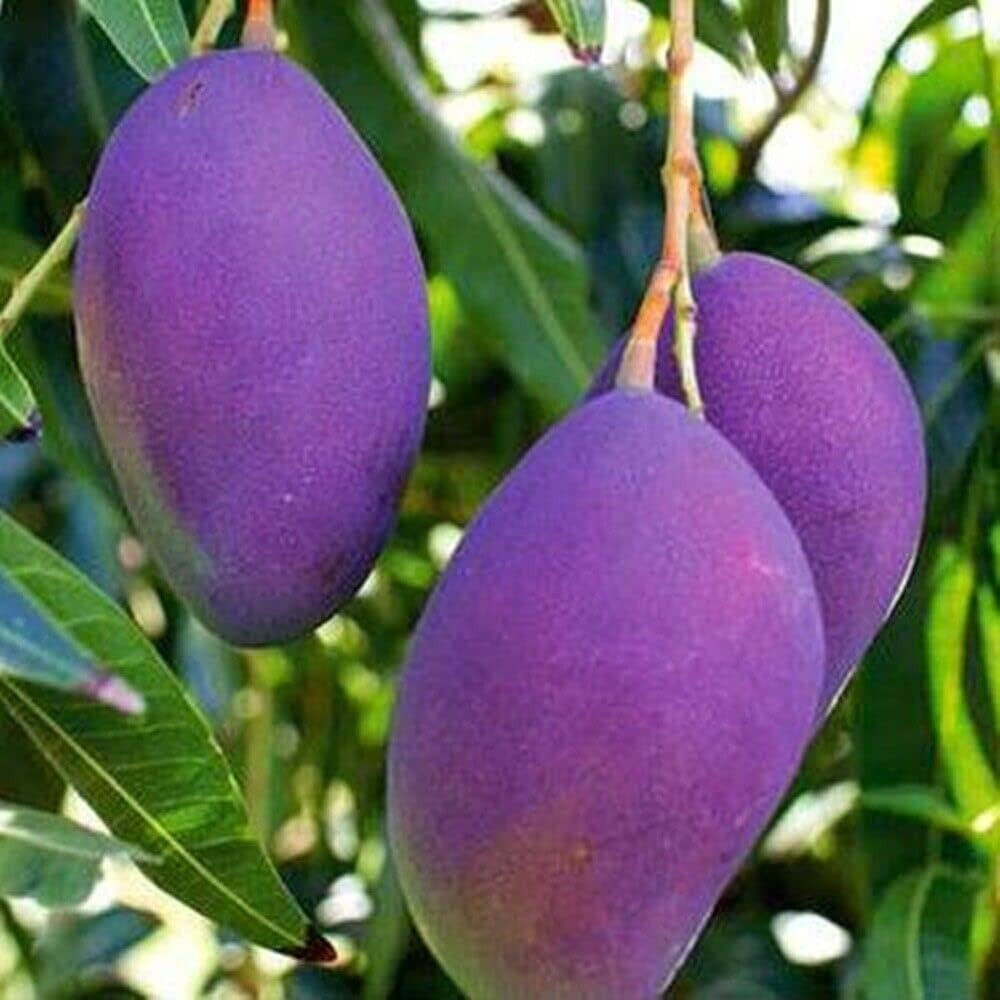
- Variety: This is a specific variety of the Nam Dok Mai mango, known for its purplish tinge when ripe.
- Size and Shape: Nam Dok Mai Purple mangoes are generally medium to small in size, with a distinct elongated shape and smooth, thin skin.
- Color: While they are typically yellowish when ripe, they often have a beautiful purple blush or streaks, which is what distinguishes them from other mango varieties.
- Taste: These mangoes are highly regarded for their sweet, rich flavor and less fibrous texture. The flesh is soft, juicy, and almost melt-in-your-mouth.
2. Characteristics of the Nam Dok Mai Purple Mango
- Aroma: One of the defining features of the Nam Dok Mai Purple mango is its intoxicating floral fragrance, which often leads people to identify it by its scent before even tasting it.
- Texture: The flesh is smooth and very tender, with minimal fiber, making it easy to eat and perfect for fresh consumption, smoothies, or fruit salads.
- Sweetness: It is known for its exceptional sweetness, with a balanced, almost honey-like taste, making it one of the most popular varieties in Southeast Asia.
3. Growing Conditions for Nam Dok Mai Purple Mango
- Climate: The Nam Dok Mai Purple mango thrives in tropical and subtropical climates, preferring warm temperatures and plenty of sunlight. It is sensitive to frost, making it ideal for areas with consistent warm weather year-round.
- Soil Requirements: Mango trees, including the Nam Dok Mai variety, prefer well-drained, sandy loam soil that is slightly acidic to neutral. The soil should also be rich in organic matter to support optimal growth.
- Watering: While mango trees are relatively drought-tolerant once established, they do require adequate water during the flowering and fruiting stages to ensure good fruit development. However, overwatering can lead to root rot, so proper drainage is key.
4. Cultivation and Propagation
- Propagation: Nam Dok Mai Purple mangoes are commonly propagated through grafting to ensure consistency in fruit quality. Grafting allows the desired characteristics of the mango, such as flavor and disease resistance, to be passed down reliably.
- Flowering and Fruiting: Mango trees generally flower in the dry season, with fruiting occurring after about 4-6 months, depending on local climate conditions. The Nam Dok Mai Purple mango is a relatively early-blooming variety compared to other mango types.
- Pruning: Regular pruning is necessary to maintain a manageable tree shape and encourage better fruit production.
5. Harvesting and Uses
- Harvesting: The Nam Dok Mai Purple mango is harvested when it reaches full ripeness, and the skin color transitions from green to a yellow hue with purple tinges. The tree typically bears fruit during the late spring and early summer months.
- Uses:
- Fresh Consumption: Due to its soft, sweet, and fiber-free flesh, Nam Dok Mai Purple mangoes are often eaten fresh, either sliced or diced.
- Desserts: It is commonly used in mango sticky rice, a popular Thai dessert, and can also be added to fruit salads, smoothies, or even made into ice cream.
- Juices and Beverages: Mangoes can be blended into refreshing drinks or juices, perfect for hot climates.
6. Popularity and Economic Value
The Nam Dok Mai variety, including its purple variant, is considered a premium mango variety. While it originates from Thailand, it has made its way to other mango-growing regions because of its superior quality and appeal.
- Export: Although it's relatively niche, the Nam Dok Mai Purple mango is exported to countries with strong mango markets, especially in Asia and beyond.
- Local and International Demand: In regions like Uganda, where mangoes are widely grown, introducing high-quality varieties such as the Nam Dok Mai Purple can appeal to higher-end markets, and even local consumers looking for a premium product.
7. Challenges in Growing Nam Dok Mai Purple Mango
- Climate Sensitivity: Like many tropical fruits, the Nam Dok Mai Purple mango is highly sensitive to environmental changes. It may not grow well in regions with irregular rainfall or temperatures outside the tropical range.
- Pests and Diseases: Mango trees are prone to pests like fruit flies, aphids, and diseases such as anthracnose, which can affect fruit quality.
- Market Availability: While the variety is highly sought after, it may be less common than other mango varieties in many regions, so it might be difficult for farmers to access consistent demand.
Frequently Bought Products
Top Selling Products
-
Rs249.00
Rs498.00 -
Rs299.00
Rs598.00 -
Rs249.00
Rs498.00 -
Rs149.00
Rs596.00 -
Rs598.00
-
Rs299.00
Rs598.00