

Black Paper Plant
(0
reviews)
Estimate Shipping Time:
4 Days
Price
Rs398.00
/pc
Share
Top Selling Products
-
 Rs249.00
Rs498.00 -
Rs299.00
Rs598.00 -
Rs249.00
Rs498.00 -
Rs149.00
Rs596.00 -
Rs598.00
-
Rs299.00
Rs598.00
Reviews & Ratings
0
out of 5.0
(0
reviews)
There have been no reviews for this product yet.
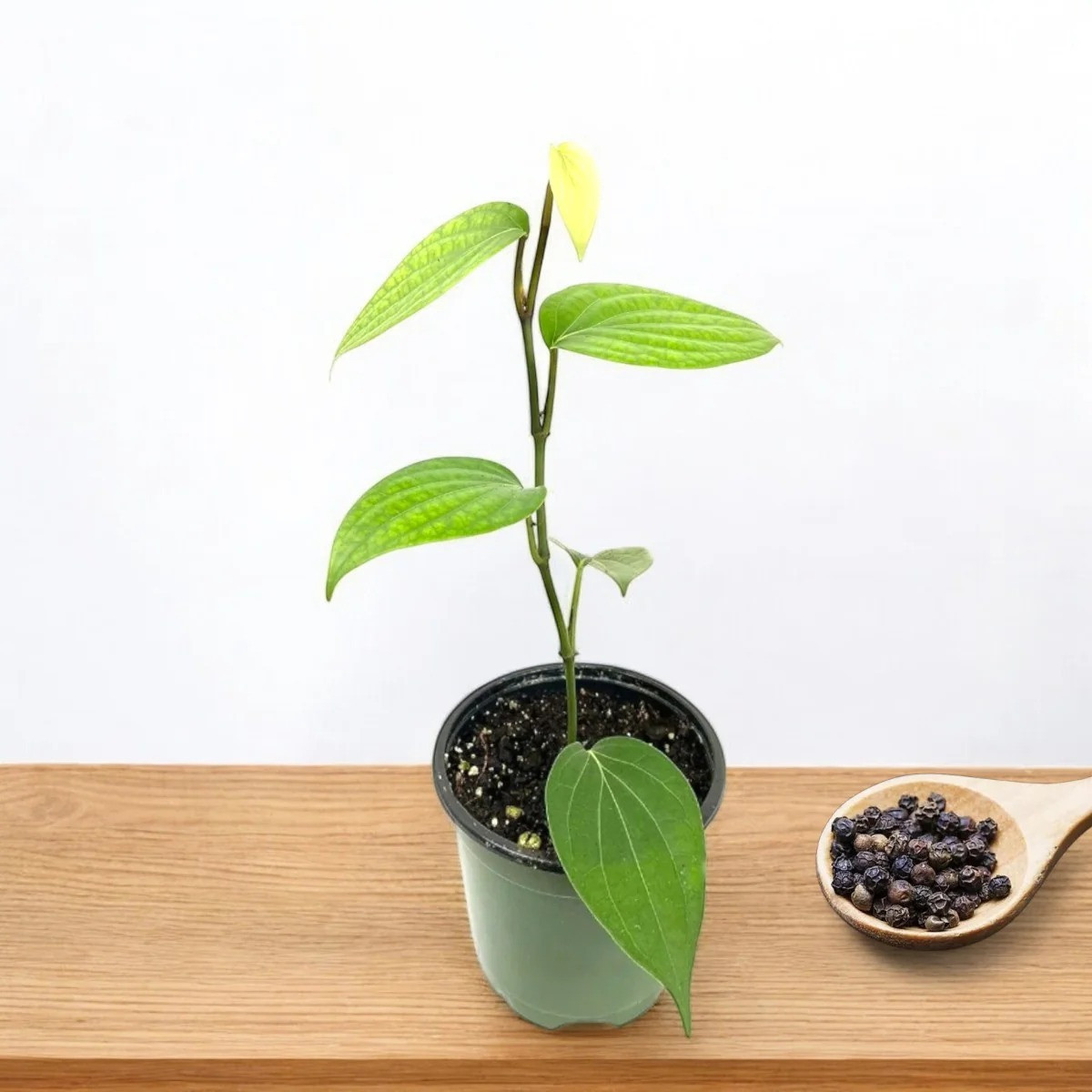
The Black Pepper plant (Piper nigrum) is one of the most widely cultivated and economically significant spice plants in the world. It is known for producing peppercorns, which are harvested and dried to make black pepper, a staple seasoning in kitchens globally. Black pepper is often referred to as the "King of Spices" because of its rich history, widespread use, and strong flavor profile.
Here’s an in-depth look at the Black Pepper plant:
1. Botanical Classification
- Scientific Name: Piper nigrum
- Common Names: Black Pepper, Pepper Plant, Piper Pepper
- Family: Piperaceae
- Origin: Native to the Western Ghats of India and Southeast Asia, but now grown in tropical regions worldwide.
2. Physical Characteristics
- Size: Black pepper plants are woody, perennial vines that can grow up to 30 feet (9 meters) tall. They typically require a support structure, such as a trellis or tree, to climb.
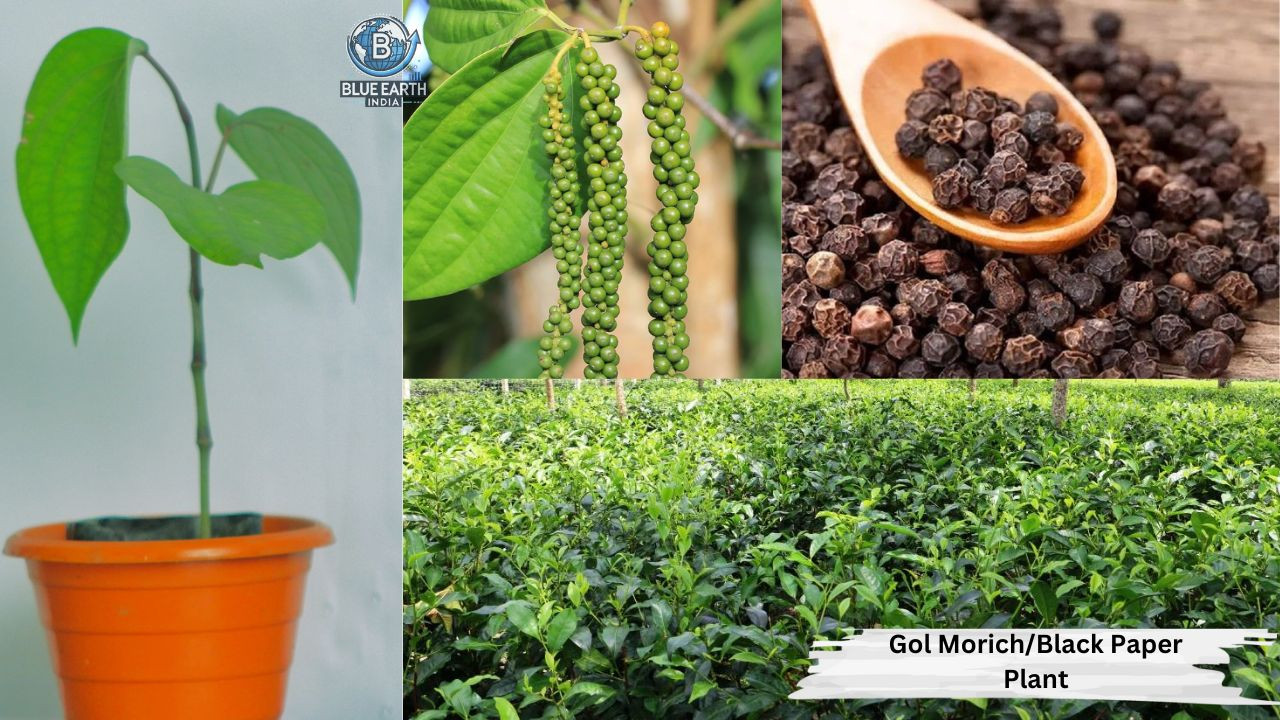
- Leaves: The leaves are large, heart-shaped, and glossy, with a dark green color. They are aromatic when crushed, typical of pepper plants.
- Flowers: Black pepper flowers are small, yellowish, and grow in spikes. These spikes develop into the peppercorns after pollination.
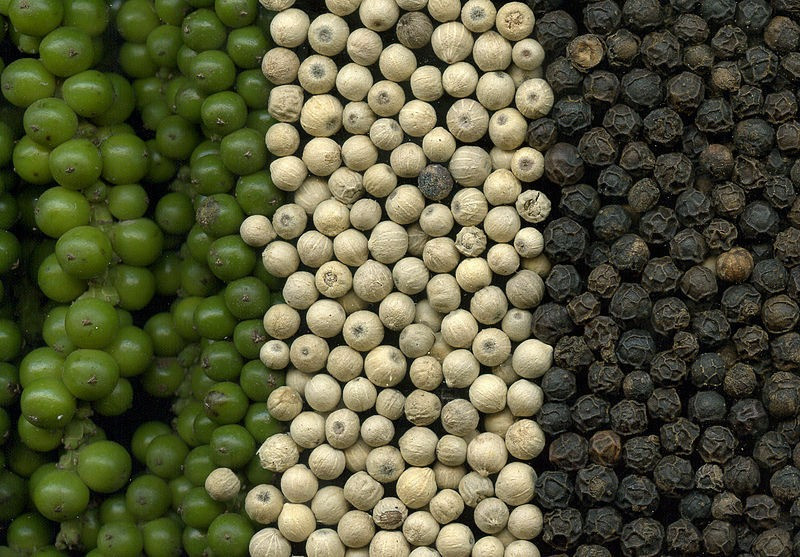
- Fruit: The fruit of the black pepper plant is a drupe, which turns from green to red when ripe. When harvested and dried, it becomes the black peppercorn, the spice we use in cooking. The peppercorns are tiny, round, and typically black when dried, though green and white peppercorns are also produced from the same plant through different processing methods.
3. Growing Conditions
- Climate: The black pepper plant thrives in tropical climates, requiring temperatures between 25°C to 30°C (77°F to 86°F) and high humidity. It grows best in regions with annual rainfall ranging from 1500 mm to 3000 mm.
- Soil: It prefers well-drained, loamy, and fertile soils with a slightly acidic pH (around 5.5 to 6.5). Well-draining soil is important to prevent waterlogging, which can lead to root rot.
- Sunlight: Black pepper plants prefer partial shade and need protection from intense, direct sunlight, especially during the hottest parts of the day. While they do need light, they generally do better when provided some shade, such as from taller trees.
- Watering: Regular watering is necessary, but the soil should not remain waterlogged. Well-drained soil is critical for the health of the plant. Overwatering can cause the roots to rot.
- Support: Being a climbing vine, black pepper plants need some form of support, such as a trellis, tree, or other structures, to climb and spread out. In some regions, these plants are grown alongside taller trees or other crops.
4. Care and Maintenance
- Pruning: Regular pruning is necessary to encourage strong growth and good fruiting. Trim back excessive growth and remove dead or damaged parts of the plant to promote healthy branches and better air circulation.
- Fertilization: Black pepper plants benefit from a regular supply of organic matter. Organic compost or well-rotted manure can be applied to improve soil fertility. A balanced fertilizer with adequate nitrogen, phosphorus, and potassium also supports healthy growth.
- Mulching: Mulching helps retain soil moisture, suppress weeds, and maintain a stable soil temperature. Organic mulch such as leaves or wood chips is commonly used around the base of the plant.
- Pests and Diseases: Black pepper plants are susceptible to certain pests, including aphids, mealybugs, and scale insects. Fungal infections like root rot or anthracnose can also affect the plant, particularly in overly wet conditions. Pest management through organic treatments or proper care is essential for healthy plant growth.
5. Propagation
- Stem Cuttings: Black pepper plants are typically propagated using stem cuttings. These cuttings are taken from healthy, mature vines and rooted in a moist medium. The cuttings should be around 6-8 inches (15-20 cm) long and planted in a well-draining potting mix.
- Seed Propagation: Black pepper can also be propagated from seeds, though this method is less common. Seeds should be planted in a warm, humid environment to promote germination.
- Grafting: In some commercial production systems, grafting can be used to improve plant vigor and yield.
6. Uses of Black Pepper
- Culinary Uses: Black pepper is one of the most widely used spices in the world. It is used to season food and add a sharp, mildly spicy flavor to dishes. It is often used in meat, poultry, seafood, soups, salads, and sauces, as well as in spice blends.
- Peppercorn Varieties:
- Black Pepper: Harvested when the peppercorns are still green, then dried to produce black pepper.
- White Pepper: White pepper is produced by removing the outer skin of ripe red peppercorns, leaving only the seed.
- Green Pepper: Green peppercorns are harvested before they ripen, and they can be dried or preserved in brine.
- Medicinal Uses: Black pepper has been used in traditional medicine for centuries. It is believed to have digestive benefits, such as aiding in the absorption of nutrients, improving circulation, and relieving indigestion or bloating. It is also considered a mild anti-inflammatory and antioxidant.
- Essential Oil: The essential oil derived from black pepper has applications in aromatherapy and massage therapy. It is said to help with muscle relaxation, pain relief, and stress reduction.
7. Health Benefits of Black Pepper
- Improves Digestion: Black pepper stimulates the production of stomach acids, which can help improve digestion and promote the absorption of nutrients.
- Rich in Antioxidants: Black pepper contains piperine, a compound that has antioxidant properties. It helps combat oxidative stress and may reduce the risk of chronic diseases like heart disease and cancer.
- Anti-inflammatory: Black pepper has anti-inflammatory properties and can help reduce inflammation in the body. It may be beneficial in treating conditions like arthritis and muscle pain.
- Enhances Nutrient Absorption: Piperine in black pepper increases the bioavailability of other nutrients, especially curcumin (from turmeric) and vitamins like vitamin C, making it easier for the body to absorb these nutrients.
- Supports Weight Loss: Some studies suggest that black pepper may aid in weight loss by increasing metabolism and fat burning. It also has thermogenic properties, which can help the body burn more calories.
- Improves Brain Function: Piperine in black pepper has been shown to have neuroprotective effects, potentially improving brain function and protecting against cognitive decline.
8. Economic Value
- Global Production: Black pepper is one of the most traded spices in the world, with India, Vietnam, Indonesia, and Brazil being the largest producers. It is a significant cash crop for farmers in tropical regions.
- Market Demand: Black pepper has a high demand in both domestic and international markets. It is used in a variety of culinary applications, from home cooking to the food service industry, and has a significant role in the spice trade.
- Value-added Products: Beyond whole peppercorns, black pepper is also sold in ground form or as part of spice blends. Pepper essential oils and extracts are also valuable products in the health, wellness, and cosmetic industries.
9. Challenges
- Pests and Diseases: Black pepper plants are vulnerable to various pests, including aphids and fungal diseases like anthracnose. Regular pest management and care are needed to avoid damage.
- Climate Sensitivity: Black pepper is sensitive to frost, and freezing temperatures can damage or kill the plant. It requires a stable tropical climate to thrive.
- Labor-Intensive Harvesting: Harvesting black pepper is labor-intensive, as each peppercorn must be carefully hand-picked and dried. This increases the cost of production, particularly in small-scale farming operations.
10. Harvesting
- When to Harvest: Peppercorns are usually harvested when they turn from green to red. The timing of the harvest is crucial, as the ripeness of the peppercorns determines the type of pepper produced (black, white, or green).
- Harvesting Method: Peppercorns are typically harvested by hand, and the vines are carefully inspected to select the best quality peppercorns. After harvesting, the peppercorns are dried to produce black pepper.
Frequently Bought Products
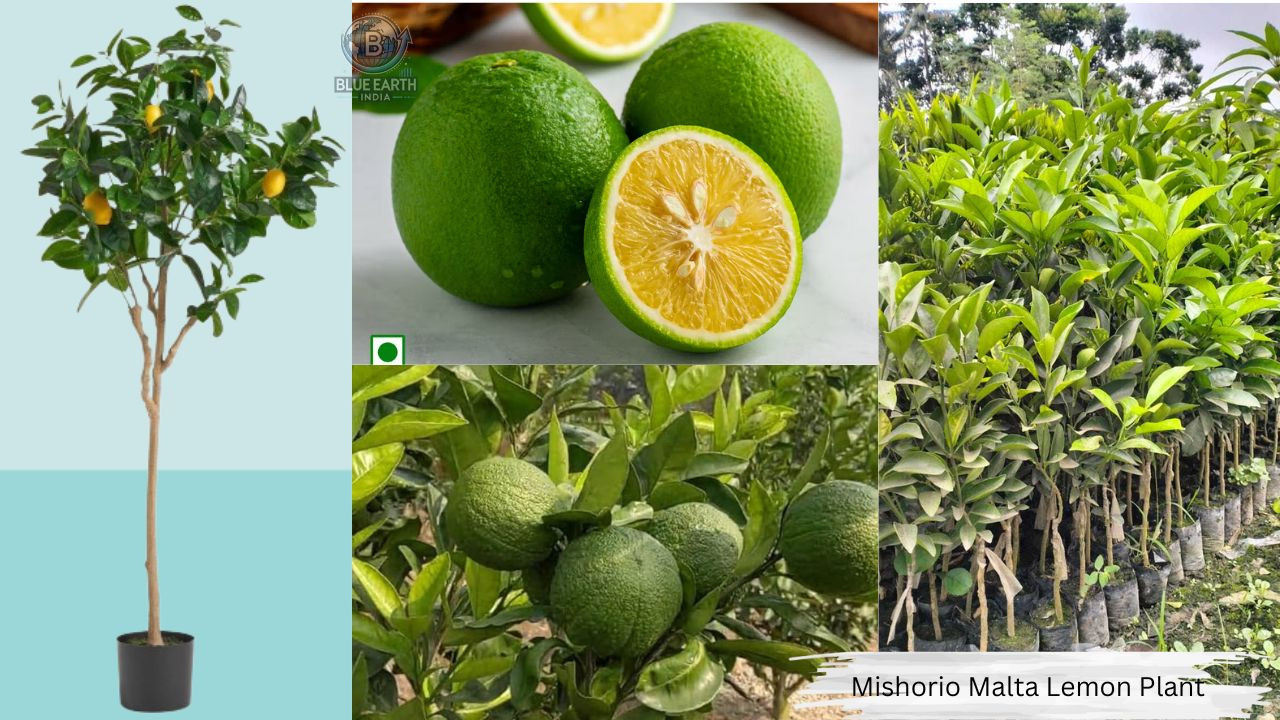
Misorio Malta Lemon Plant
Rs244.65
Rs699.00
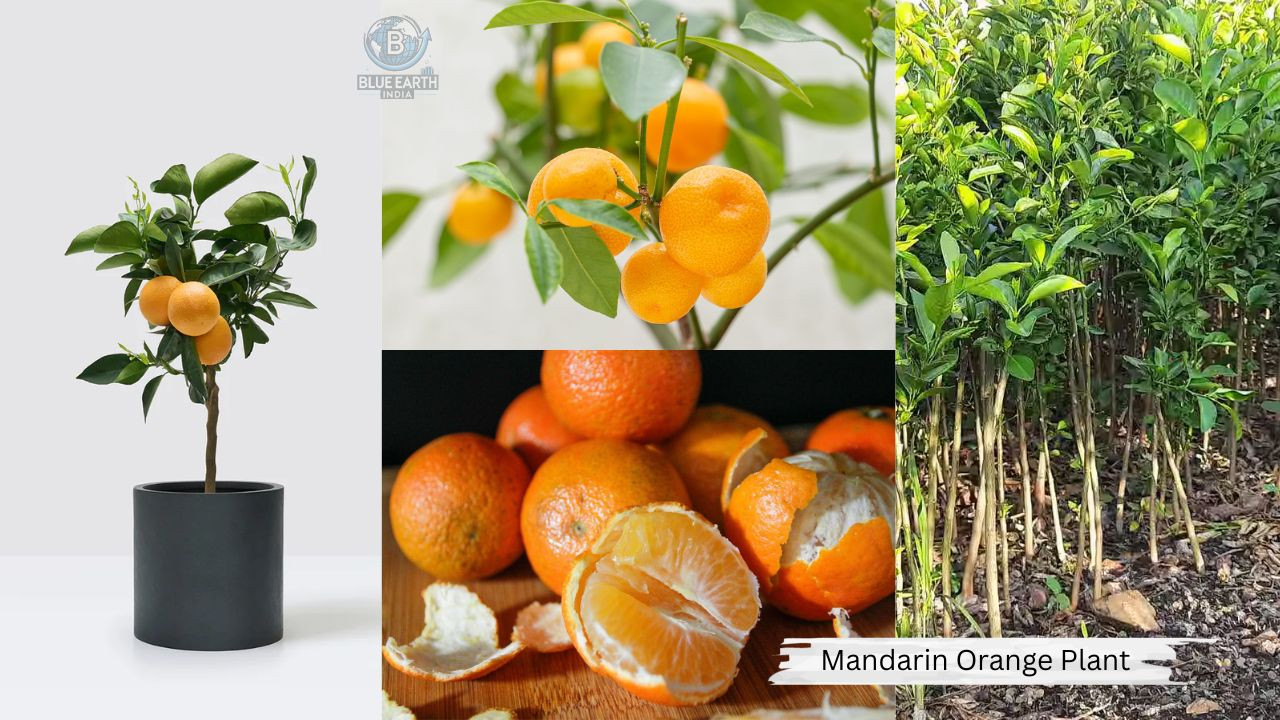
Mandarin Orange Lemon Plant
Rs299.00
Rs598.00
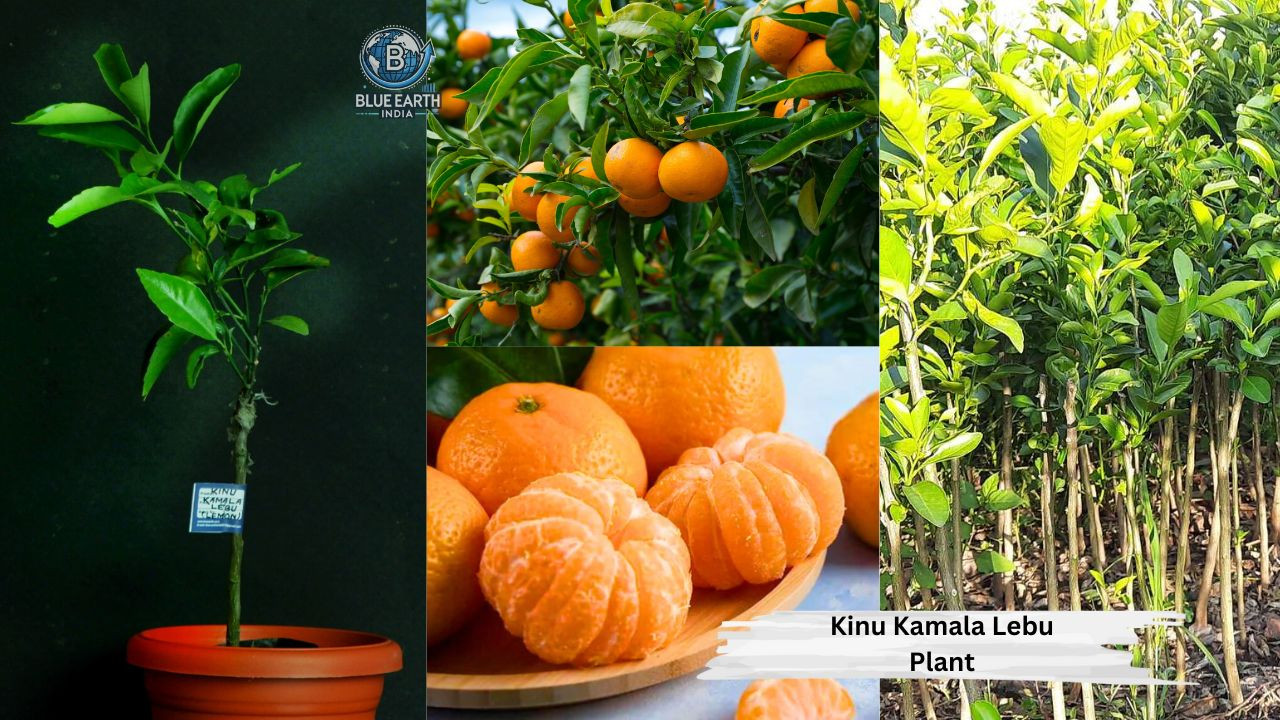
Kinu Kamala Lemon Plant
Rs299.00
Rs598.00
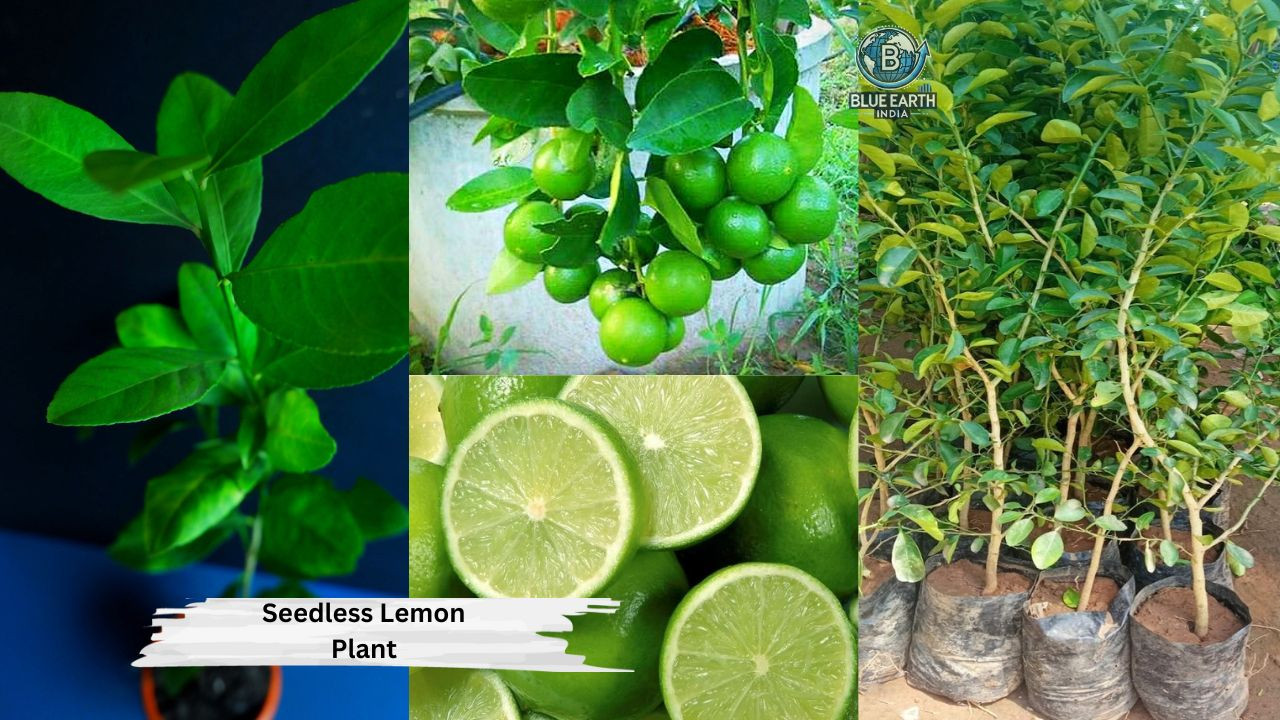
Seedless Lemon Plant
Rs398.00
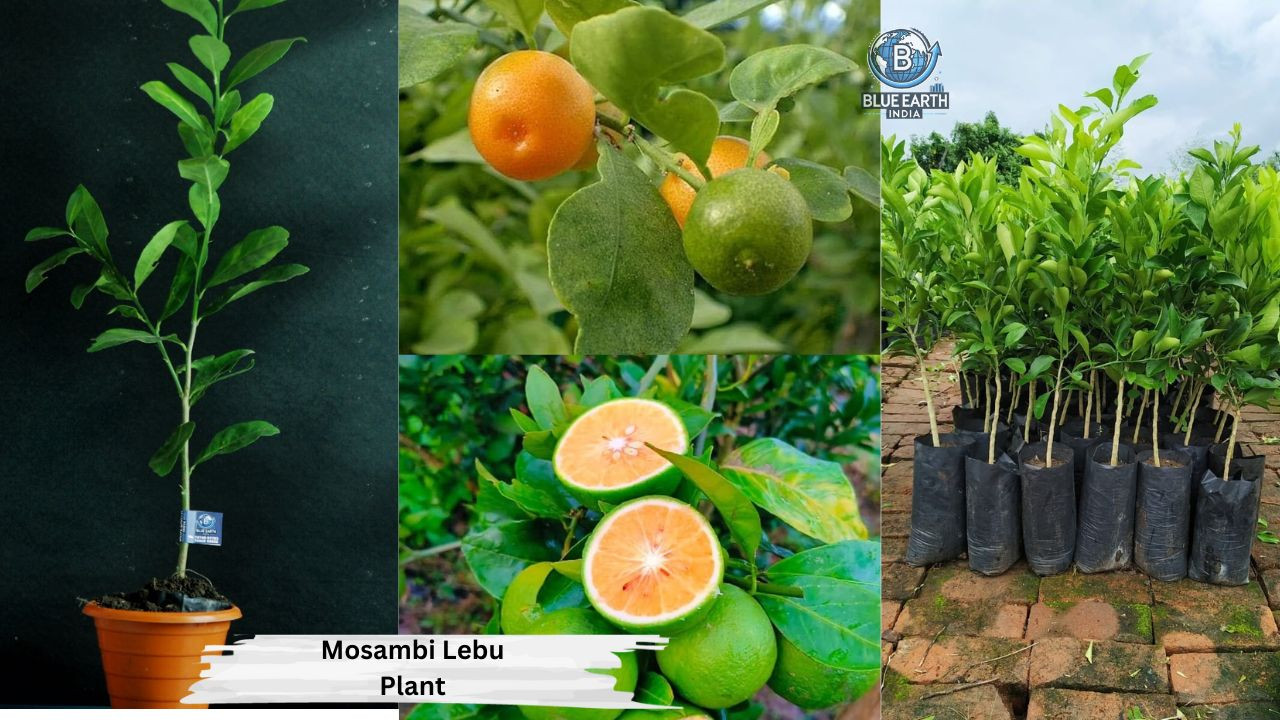
Thai Mosambi Lemon Plant
Rs398.00
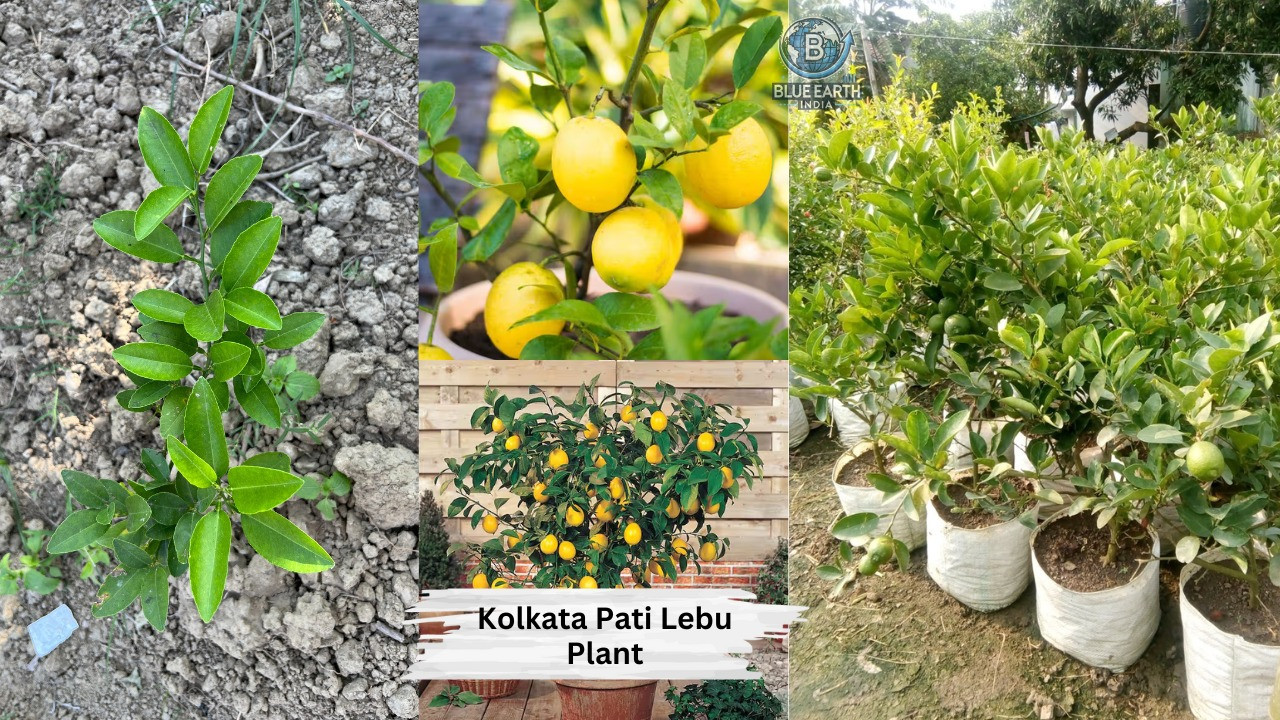
kalkata Pati Lemon Plant
Rs298.00
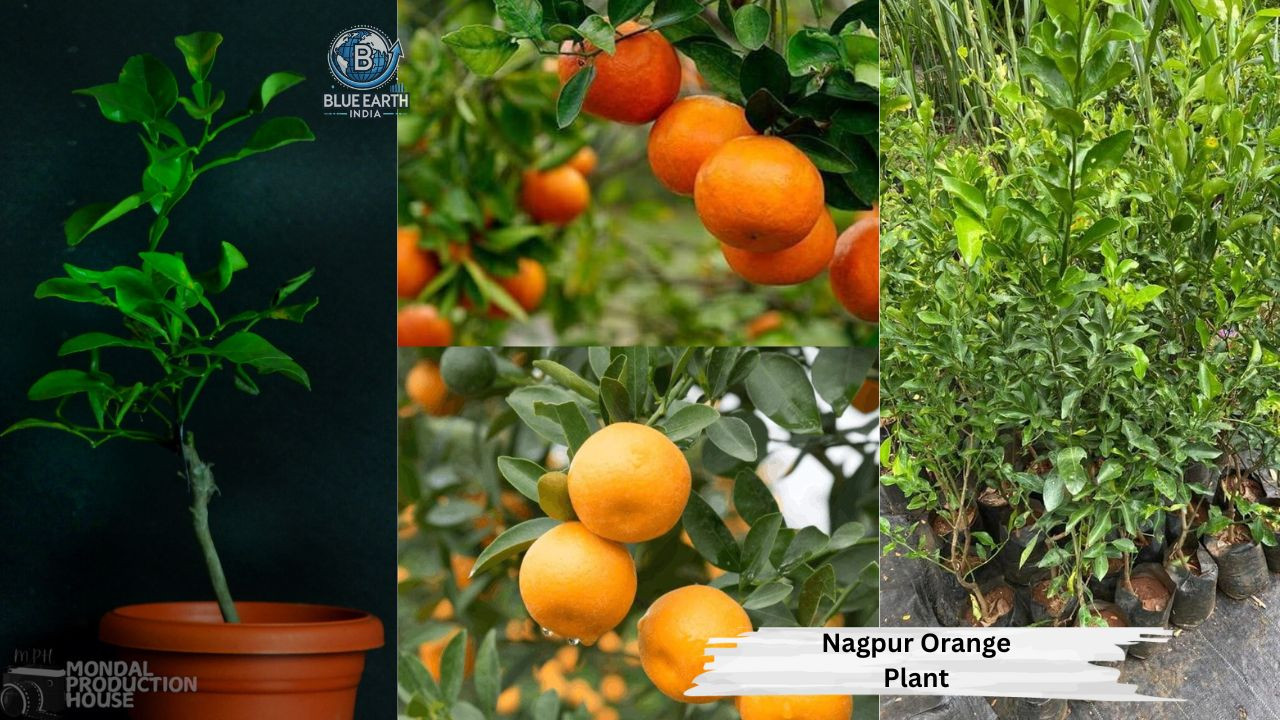
Nagpur Orange Plant
Rs398.00
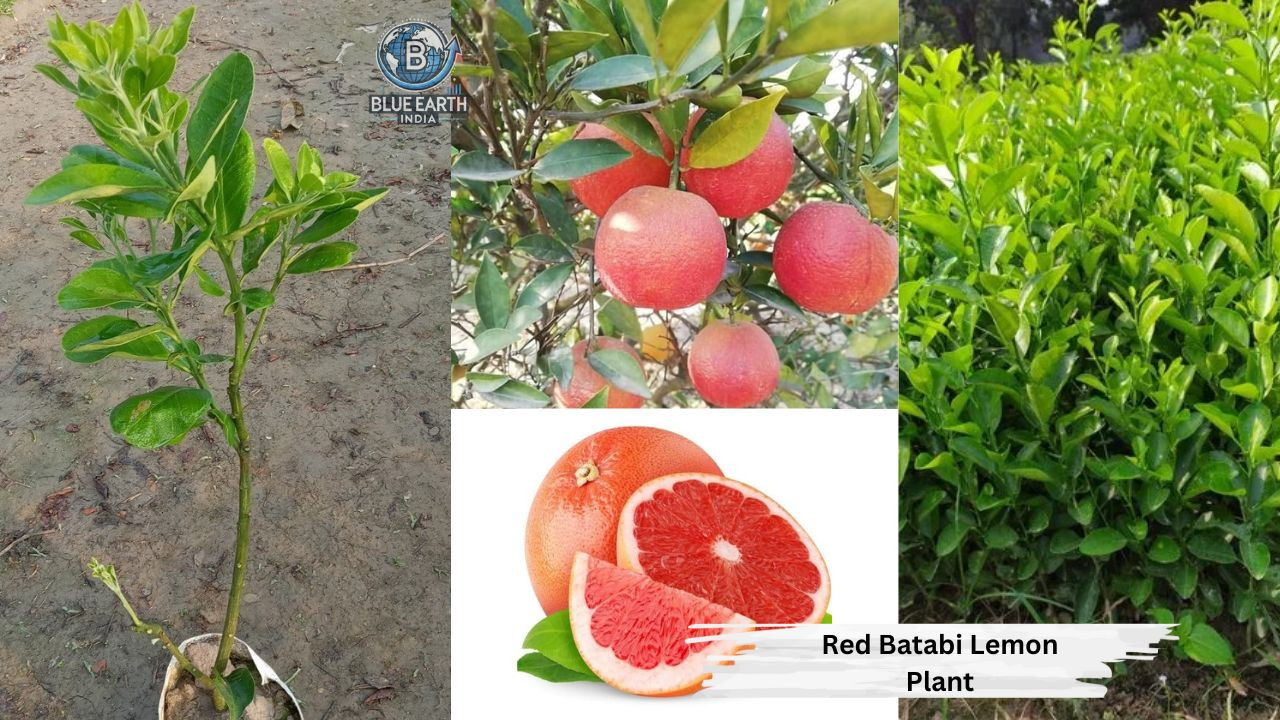
Red Batabi Lemon Plant
Rs201.00
Rs670.00
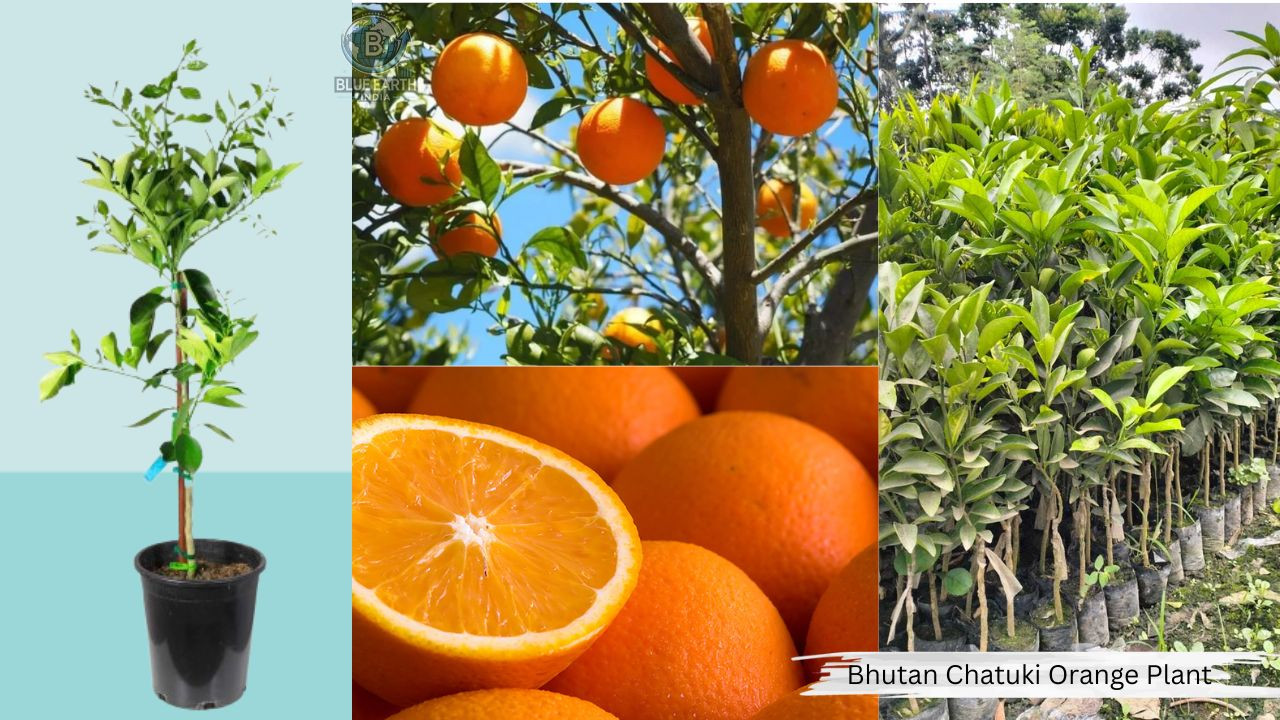
Bhutan Chatuki Orange Plant
Rs498.00
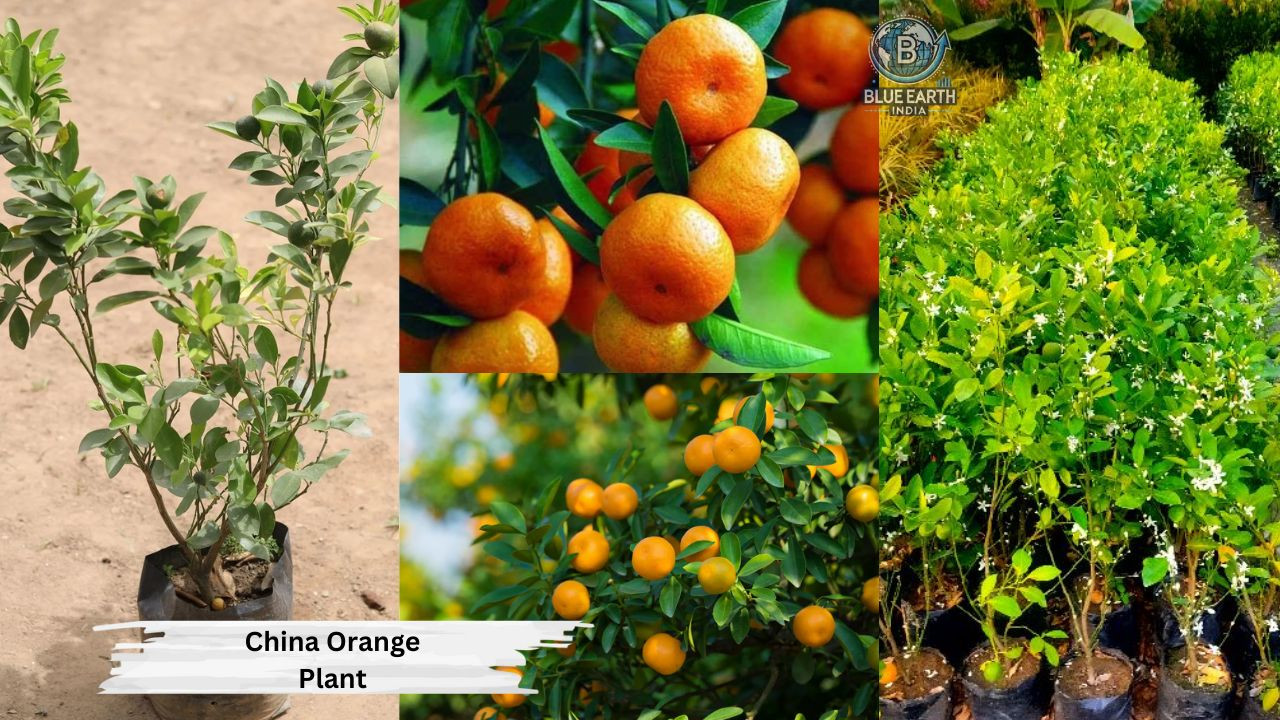
China Orange Plant
Rs398.00
Top Selling Products
-
Rs249.00
Rs498.00 -
Rs299.00
Rs598.00 -
Rs249.00
Rs498.00 -
Rs149.00
Rs596.00 -
Rs598.00
-
Rs299.00
Rs598.00