


Adenium Plant
(0
reviews)
Estimate Shipping Time:
4 Days
Inhouse product
Price
Rs684.40
Rs1,160.00
/1 piece
-41%
Share
Top Selling Products
-
 Rs249.00
Rs498.00 -
Rs299.00
Rs598.00 -
Rs249.00
Rs498.00 -
Rs149.00
Rs596.00 -
Rs598.00
-
Rs299.00
Rs598.00
Reviews & Ratings
0.00
out of 5.0
(0
reviews)
There have been no reviews for this product yet.
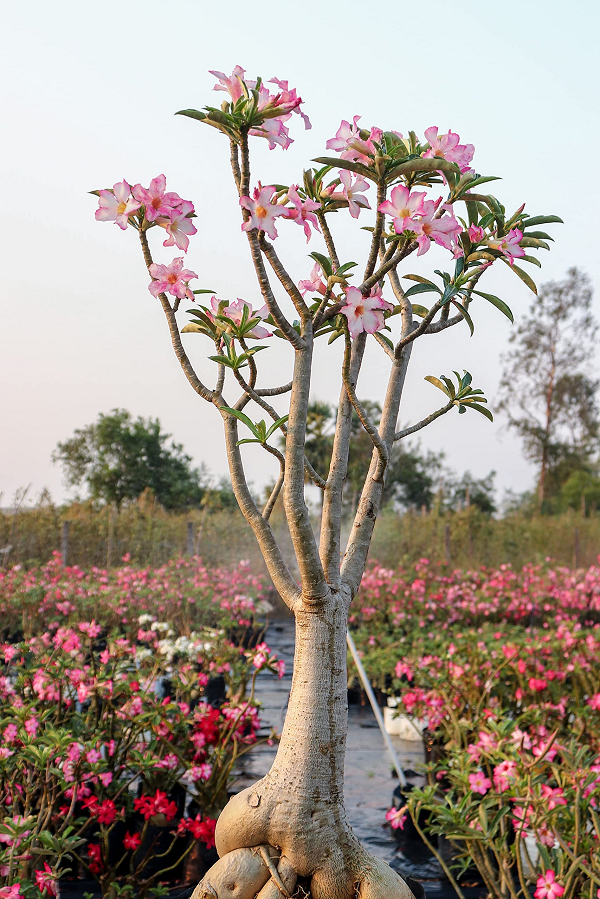
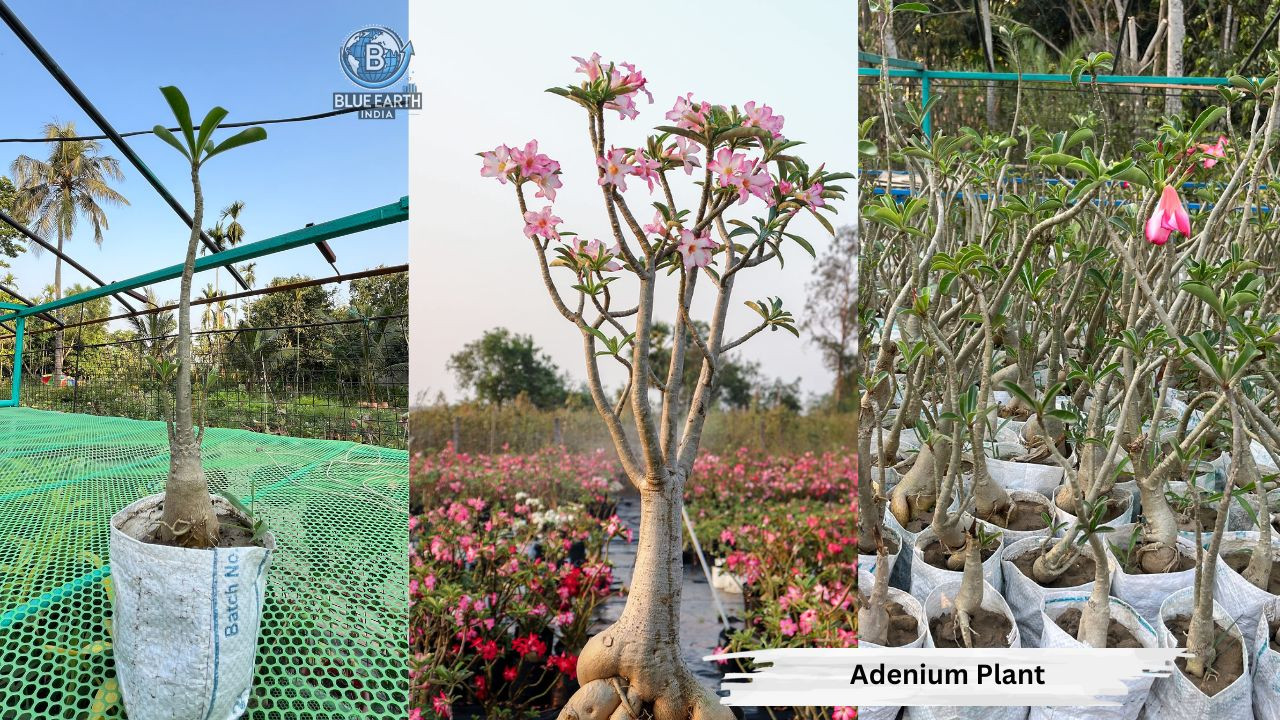
The Adenium plant, commonly known as Desert Rose, is a strikingly beautiful succulent that thrives in hot, dry climates. It's known for its attractive, colorful flowers and unique, swollen stem (caudex). Here's a detailed overview of the Adenium plant:
Scientific Name:
- Adenium obesum
Native Habitat:
- Native to Sub-Saharan Africa and parts of the Arabian Peninsula.
- Thrives in arid, tropical, and subtropical regions.
Appearance:
- Flowers: Adeniums produce large, trumpet-shaped flowers in vibrant colors like pink, red, and white. The flowers typically bloom in clusters and are a standout feature.
- Foliage: The plant has thick, dark green leaves, which are glossy and leathery.
- Stem (Caudex): The most distinctive feature is its swollen, bulbous trunk, which stores water. The thick stem gives the plant a tree-like appearance, making it suitable for bonsai-style pruning.
- Size: Adenium can grow to about 3-6 feet (1-2 meters) tall in the right conditions, but some varieties stay smaller, especially when grown in containers.
Growth and Care:
- Sunlight: It prefers full sunlight for most of the day. Adequate light ensures vibrant flowers and healthy growth.
- Watering: As a drought-tolerant plant, Adenium doesn't require frequent watering. It's crucial to let the soil dry out completely between waterings to avoid root rot.
- Soil: It needs well-draining soil, such as cactus or succulent mix. You can add sand or perlite to improve drainage.
- Temperature: Adenium thrives in warm temperatures and should be kept in areas that do not drop below 50°F (10°C). It's not frost-tolerant.
- Fertilization: It benefits from regular feeding during the growing season (spring to summer), using a balanced, diluted fertilizer.
Flowering:
- Adenium blooms in spring and summer, but in some conditions, it may bloom year-round if the environment is consistently warm and sunny.
Toxicity:
- Toxic to pets: All parts of the plant are toxic if ingested, so it's essential to keep it away from pets and children.
Propagation:
- Seeds: Adenium can be propagated from seeds, though it requires patience and specific care.
- Cuttings: It's often propagated from stem cuttings. Allow the cuttings to callous over before planting them in well-draining soil.
Uses:
- Ornamental: Due to its vibrant flowers and striking appearance, it's commonly grown as an ornamental plant for gardens, patios, and indoors.
- Bonsai: Adenium is popularly grown as a bonsai because of its unique shape and appearance.
- Traditional Use: In some cultures, parts of the plant are used in traditional medicine, although its toxicity requires caution.
Common Varieties:
- Adenium obesum: The most common species, with large, showy flowers.
- Adenium arabicum: Known for a larger caudex and wider flowers, often found in desert regions.
- Adenium multiflorum: This species has smaller flowers but still retains the desert rose's characteristic beauty.
Common Problems:
- Overwatering: The plant is sensitive to overwatering, which can lead to root rot.
- Pests: Adeniums can be susceptible to aphids, mealybugs, and spider mites.
- Leaf drop: Dropping leaves can occur during the dormant period, usually in winter.
Interesting Facts:
- Adenium is sometimes referred to as the "Impala Lily" or "Sabi Star" in some parts of Africa.
- Its flowers are often compared to the plumeria (frangipani) due to their similar shape and color.
Overall, the Adenium is a low-maintenance, striking plant perfect for people who want a plant that thrives with minimal care and offers beautiful flowers to enjoy.
Frequently Bought Products
Top Selling Products
-
Rs249.00
Rs498.00 -
Rs299.00
Rs598.00 -
Rs249.00
Rs498.00 -
Rs149.00
Rs596.00 -
Rs598.00
-
Rs299.00
Rs598.00